The Supermen
Song Meaning
“The Supermen” imagines an ancient race of immortal, god-like beings whose limitless power leaves them trapped in a loveless, emotionless eternity, so desperate for the release of death that they turn to violence to escape it.
David Bowie has explained that “The Supermen” grew out of his fascination with the idea of a “Homo Superior” race and his attempt to digest Nietzsche’s philosophy in his own terms 1. Rather than celebrating superhuman power, the song portrays immortality as a curse: the supermen are “gloomy-browed,” unable to feel joy or pain, and so trapped by endless life that murder becomes their only path to death and a kind of godhood 1. Bowie himself called the result “pre-Fascist,” a sign of how uneasy he was with the ideas he was toying with 1. The track’s Nietzschean Ubermensch imagery would go on to seed later Bowie personas, including Ziggy Stardust 2.
The meaning
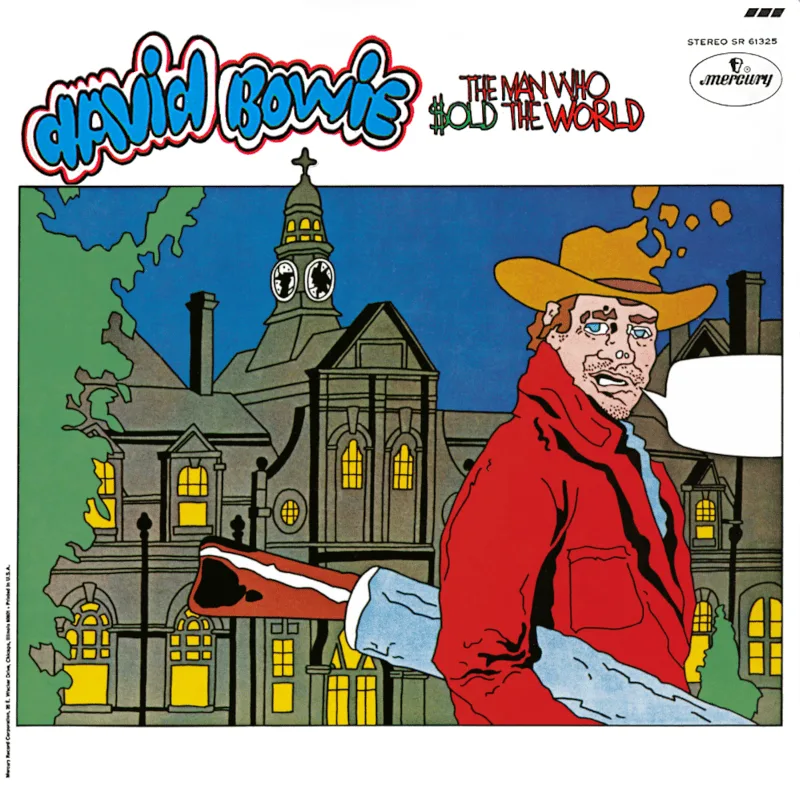
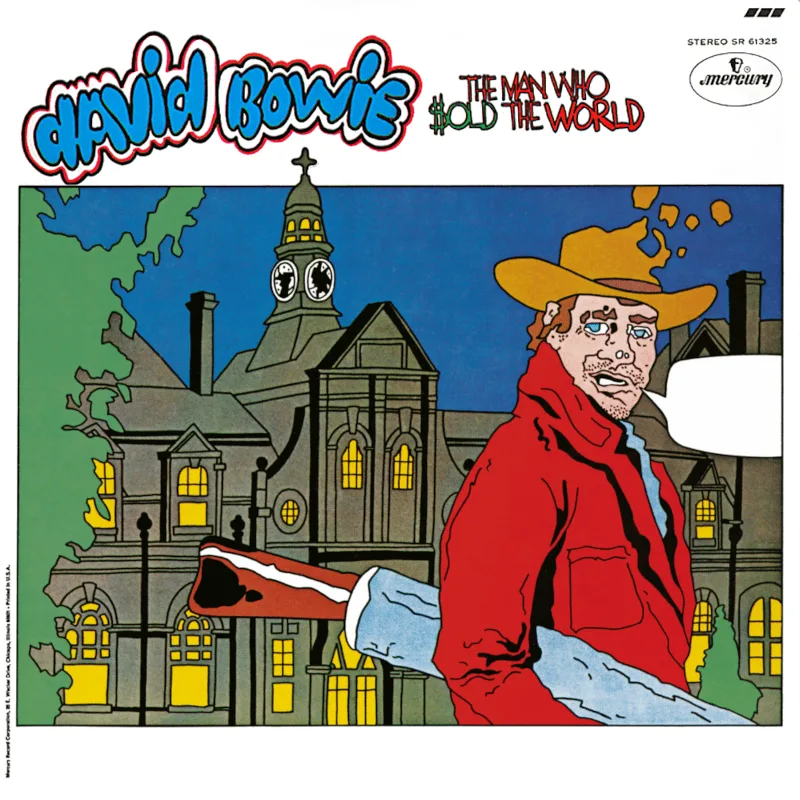
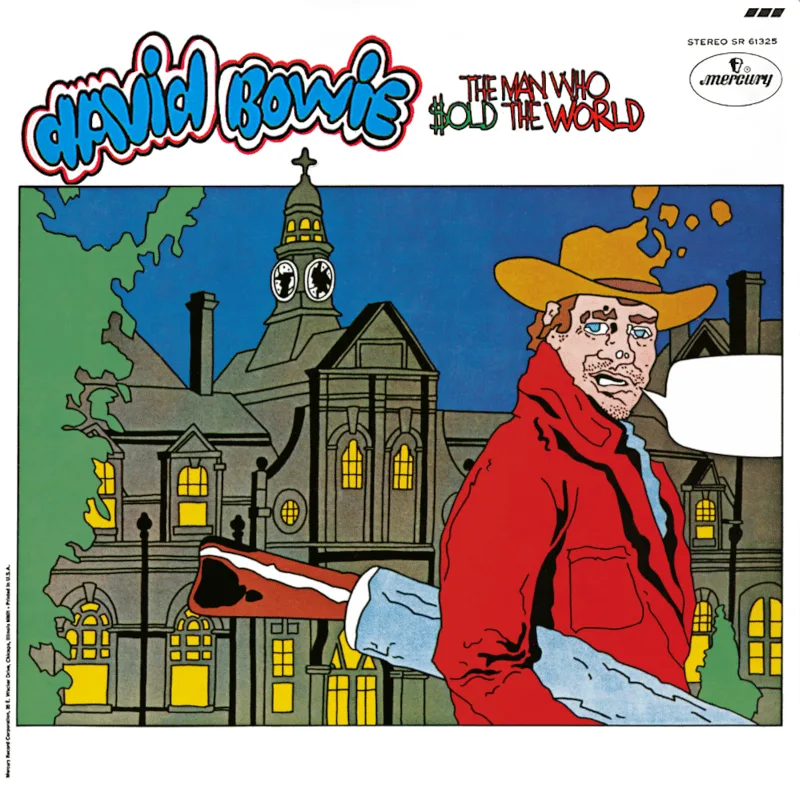
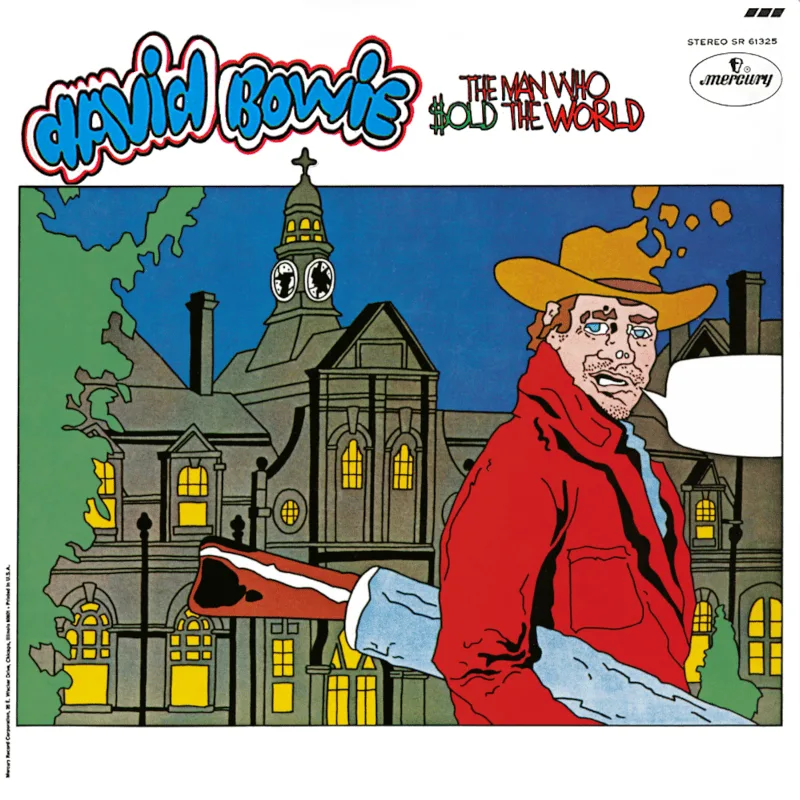
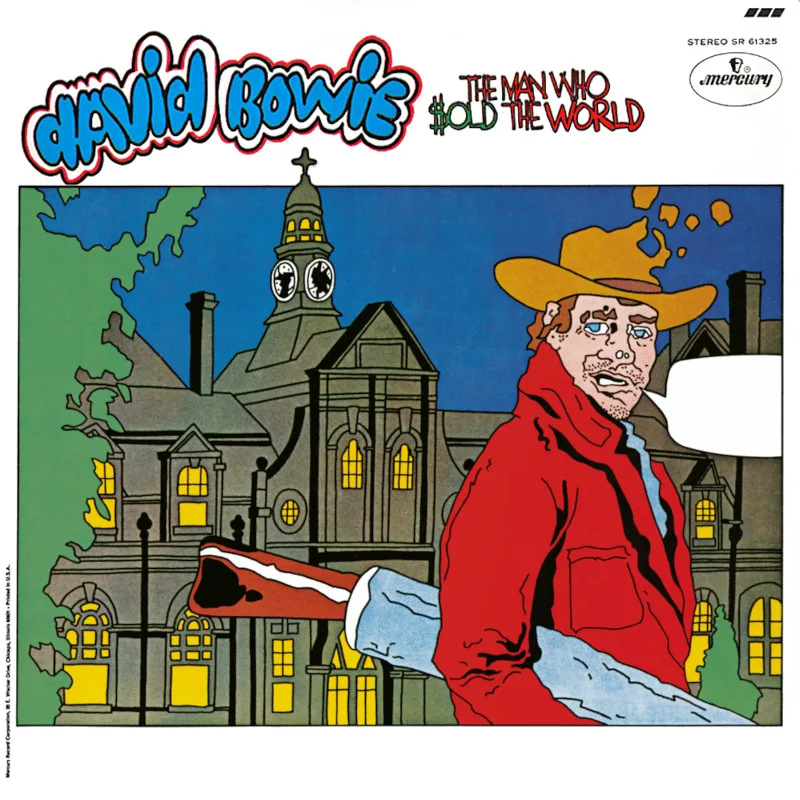
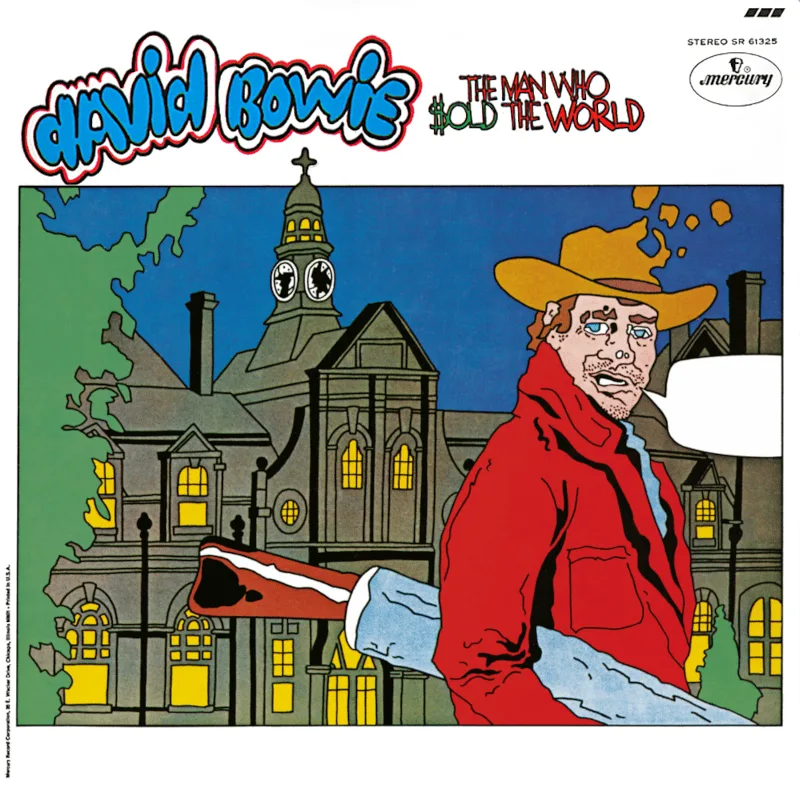
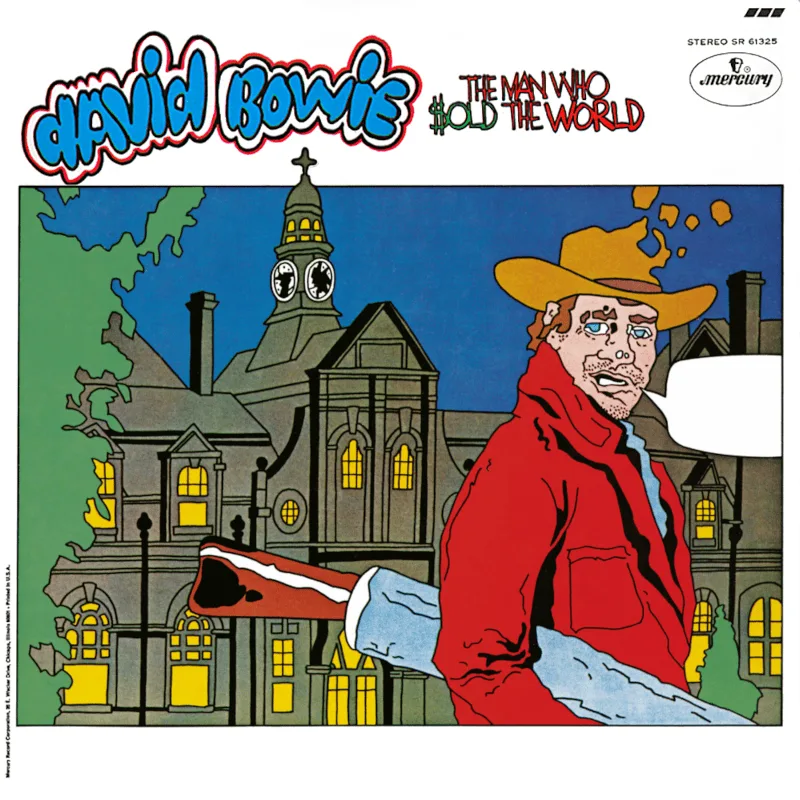
“The Supermen,” the closing track on 1970’s The Man Who Sold The World, began as Bowie’s attempt to work through Friedrich Nietzsche after reading translations of Thus Spake Zarathustra and Beyond Good and Evil in early 1970 1. He later admitted he was “pretending I understood Nietzsche,” trying to “simplify books that I had read... and translate it into my own terms to understand it” 1. That secondhand, half-digested philosophy is part of what makes the song feel so strange and mythic rather than academic.
Bowie described the song’s subject directly: “I wrote a song called ‘The Supermen’ which was about the Homo Superior race” 1, calling it “the seed of an idea of Homo Superior I was toying with. The coming of the New Man” 1. He also traced it to something more personal: “I always had a repulsive sort of need to be something more than human. I felt very very puny as a human” 1. The song’s vision of superhuman transcendence, in other words, was rooted in a very human sense of inadequacy.
But Bowie didn’t imagine transcendence as triumphant. He called it “purely a mystical thought, a humanoid that lived forever, even though his gods were dying,” adding that “it’s a murderer, a guy capable of murdering someone who found a way to kill people; he would be the new god” 1. That darkness is right there in the lyrics: the supermen are “gloomy-browed with superfear,” living “tragic, endless lives” that “could heave nor sigh,” and in the second verse “a man would tear his brother’s flesh” for “a chance to die, to turn to mold.” Eternal life, far from a gift, becomes a nightmare they can only escape through violence 2.
The song’s world is one of “uni-thought” and beings who “walk in file,” imagery that suggests conformity and the loss of individual feeling rather than liberation 2. Even the recording underlines this: the booming timpani and heavily multi-tracked backing vocals were built to sound like a collective, emotionless choir, a sonic stand-in for the supermen themselves 2. The recurring line “so softly a supergod cries” (and later “dies”) suggests that even godlike power comes wrapped in grief and isolation, the “loveless isle” the supermen are left guarding 2.
Bowie was explicit that this exploration carried real unease: he called the song “pre-Fascist” 1, acknowledging the uncomfortable adjacency between the Ubermensch ideal and the political ideologies that later distorted it. In that light, “The Supermen” reads less as an endorsement of superhuman power than a critique of it, evolving beyond human weakness costs these beings their warmth and connection 2. It was Bowie’s first major artistic engagement with these ideas 1, and the Superman concept he wrestled with here would resurface a couple of years later in his creation of Ziggy Stardust, the alien messiah who descends to Earth only to be destroyed by the very power that makes him extraordinary 2.
Sources
Songs by David Bowie
Last updated 2026-09-08