All the Madmen
Song Meaning
David Bowie wrote “All the Madmen” about his half-brother Terry Burns, who chose to remain in a mental institution because he found more sanity and belonging there than in the outside world.
“All the Madmen” is Bowie’s direct address to his family’s experience with mental illness, written specifically for his half-brother Terry Burns 1 2. Bowie explained that Terry preferred life in the asylum, content to avoid work and simply exist among people he considered saner than those outside 1. Bowie linked this to a shared “schizoid streak” running through the family, noting he could express it through music while Terry was institutionalized for the same tendencies 1. The refrain, that he’d rather stay with “all the madmen” since he’s “quite content they’re all as sane as me,” captures Bowie’s belief that the line between madness and normal society is thinner than assumed 1.
The meaning
“All the Madmen” grew directly out of Bowie’s family life. He stated plainly: “’All The Madmen’ was written for my brother and it’s about my brother” 1. Terry Burns, Bowie’s half-brother, spent time in mental institutions, and the song is generally understood as inspired by his struggles 2. Rather than treating the asylum as a place of tragedy alone, Bowie described Terry as genuinely content there: “He’s the man inside, and he doesn’t want to leave. He’s perfectly happy there... Doesn’t have to work, just lies there on the lawn all day, looking at the sky” 1.
Bowie went further, suggesting Terry actively preferred the institution’s inhabitants to the world outside: “he wants to stay there, ’cause he gets a lot more enjoyment out of staying there with the people he considers sane. He doesn’t want to go through the psychic compromises imposed on him by the outer world” 1. That idea, sanity as a matter of comfort and belonging rather than diagnosis, runs through lines like “Don’t set me free, I’m as heavy as can be, just my librium and me,” where medication (Librium) and institutional life are treated less as punishment than as a kind of ballast 1.
Bowie was candid about seeing himself in his brother’s condition: “I am schizoid. I’m as schizoid as my brother, except that I’m in the music business where I can get away with a lot more than my brother could get away with in the job that he had. I mean he was put into an institution for being like me” 1. He extended this to the wider family, noting “There’s a schizoid streak within the family anyway” and that Terry “doesn’t want to leave” 1. Elsewhere he described his feelings toward the family’s mental illness as genuinely mixed: pride, sorrow, and a kind of defiance, saying he was “quite fond of the insanity, actually” 1.
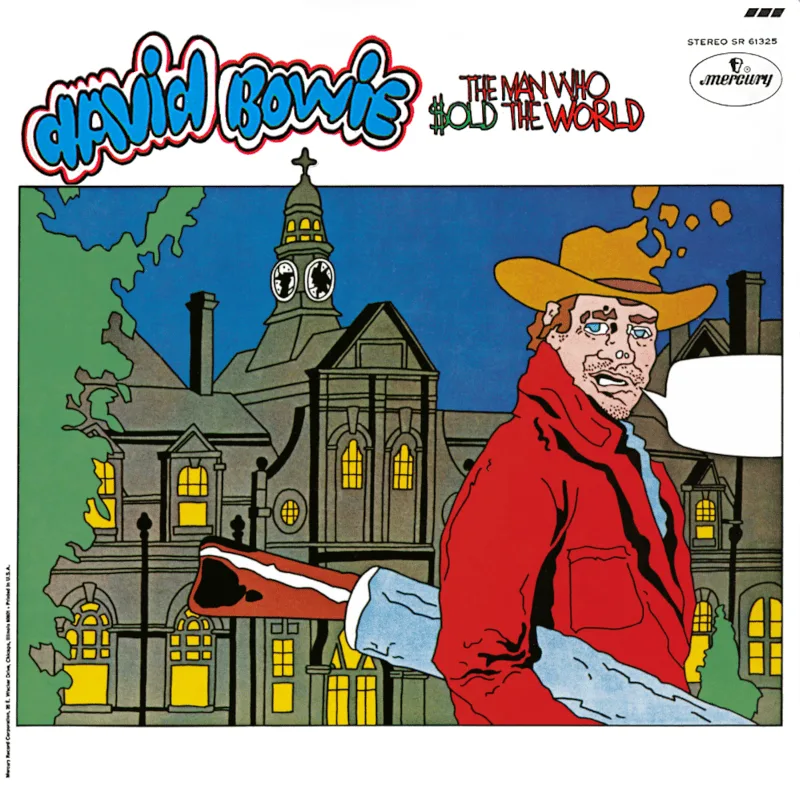
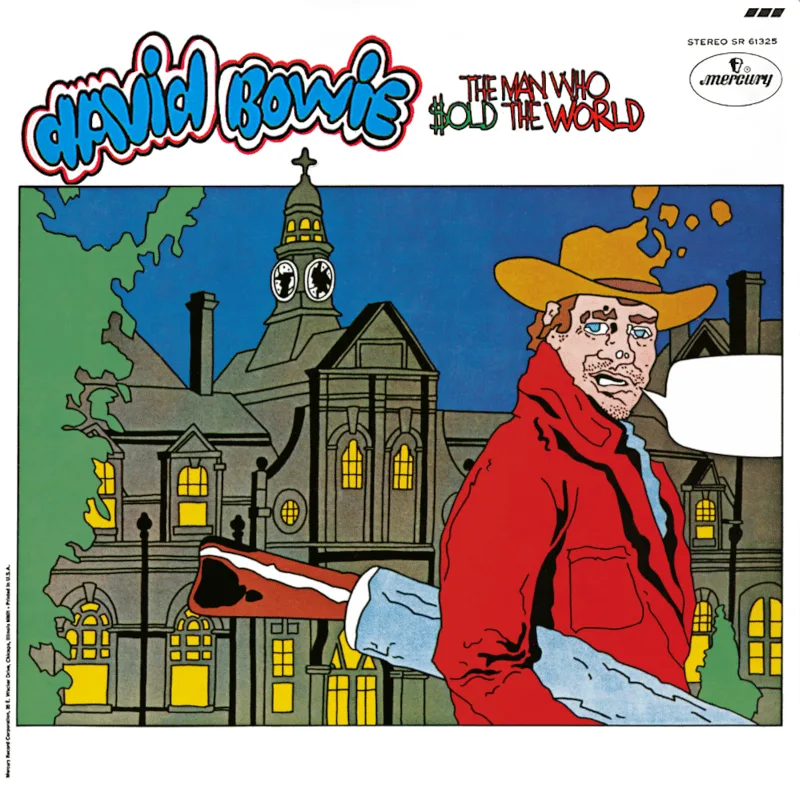
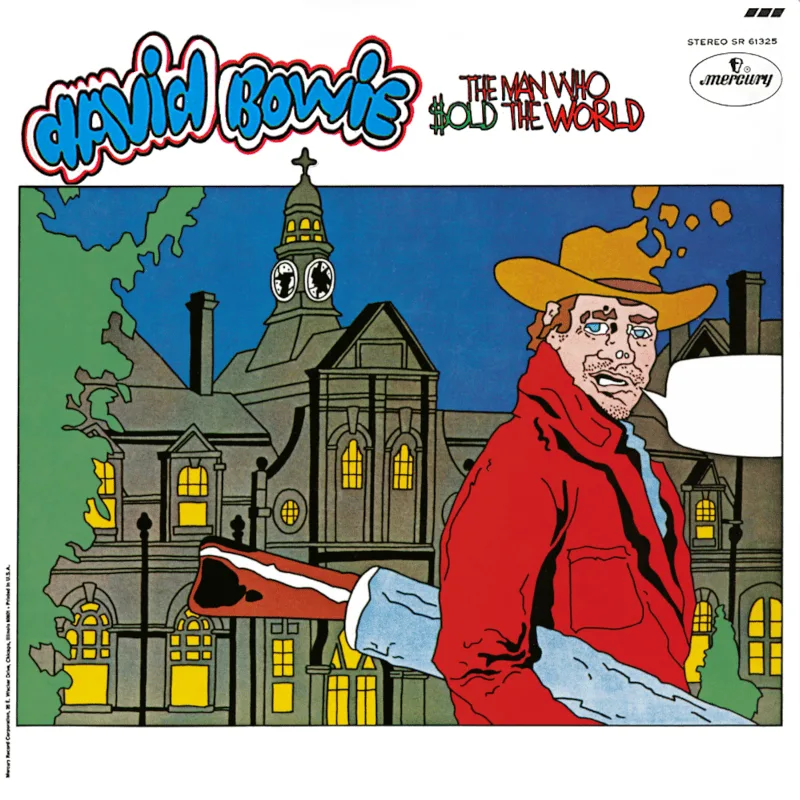
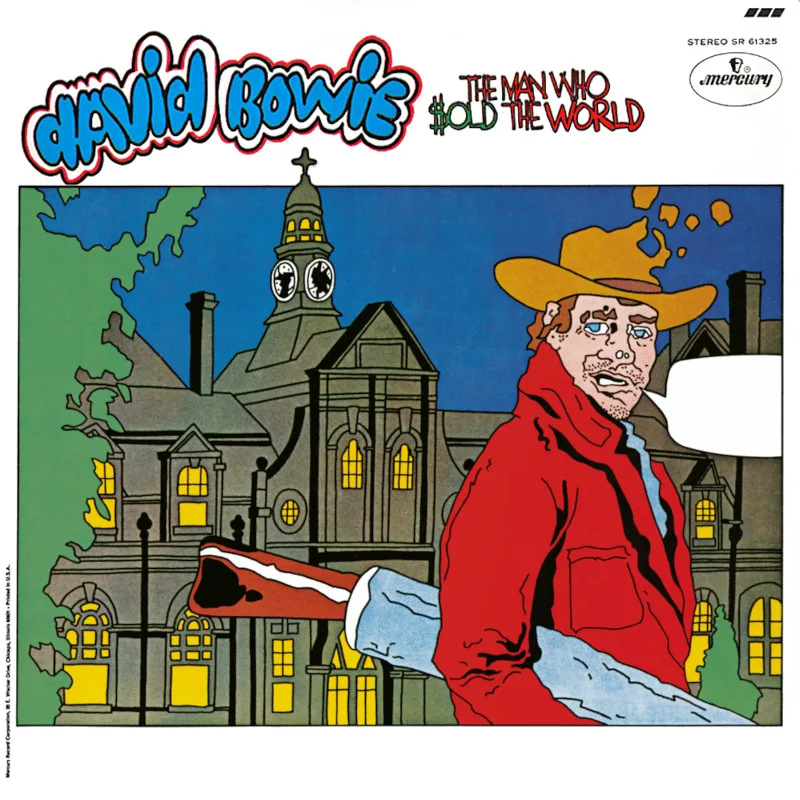
The lyrics dramatize this from the inside: “Day after day / They send my friends away / To mansions cold and grey” evokes people being committed to institutions 2, while the recurring plea “Don’t set me free” and detail like “Gimme some good ‘ole lobotomy” convey a narrator who finds the outside world more frightening than confinement. The song’s title imagery, of “mansions cold and grey” where “the thin men stalk the streets,” has been connected to Cane Hill, the actual asylum associated with Terry’s treatment 1.
The song’s most quoted lines, “I’d rather stay here with all the madmen... for I’m quite content they’re all as sane as me,” function as the song’s thesis: institutionalized people aren’t necessarily less sane than those outside, and the boundary society draws around “madness” is unstable 1. Bowie’s own words support this reading directly, since he framed Terry’s choice to remain hospitalized as a rational preference for honesty over the “psychic compromises” of ordinary life 1. In that sense, the song works both as a specific, personal document about Terry Burns and as a broader statement about how society defines and isolates mental illness 1 2.
Sources
Songs by David Bowie

Last updated 2026-09-07