The Man Who Sold the World
Song Meaning
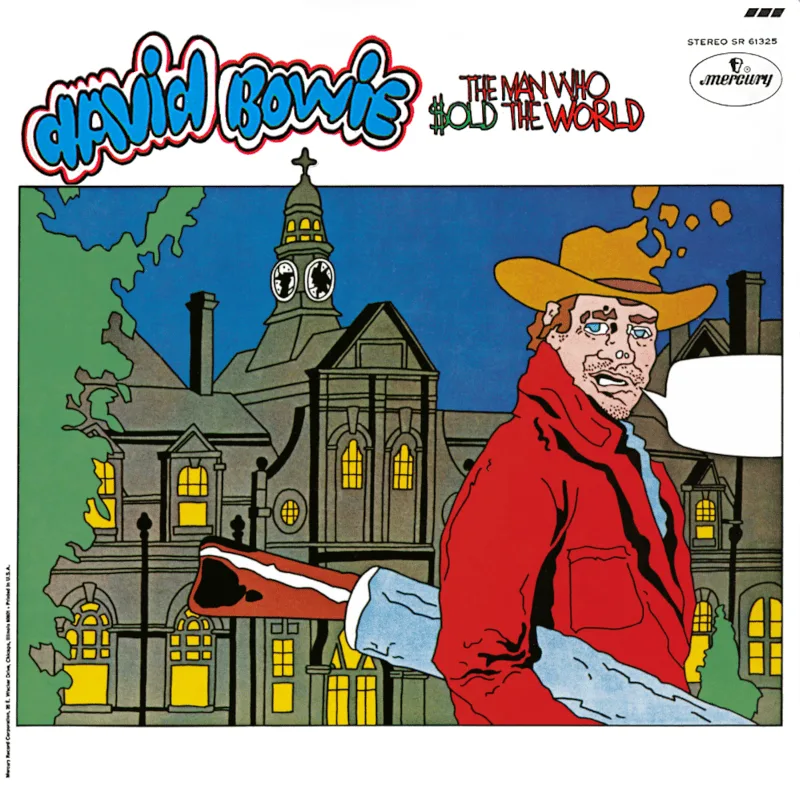
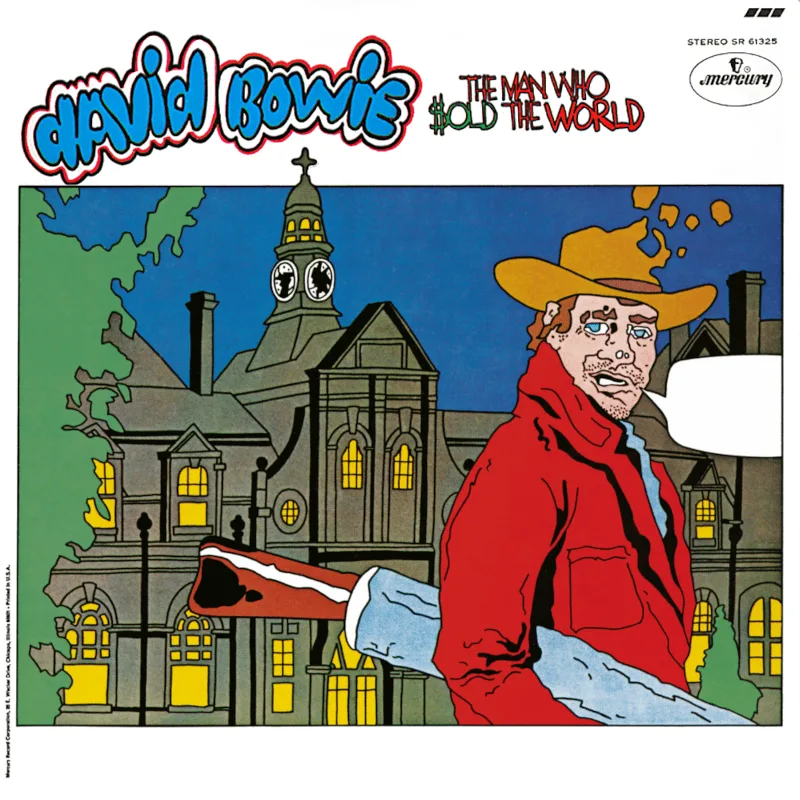
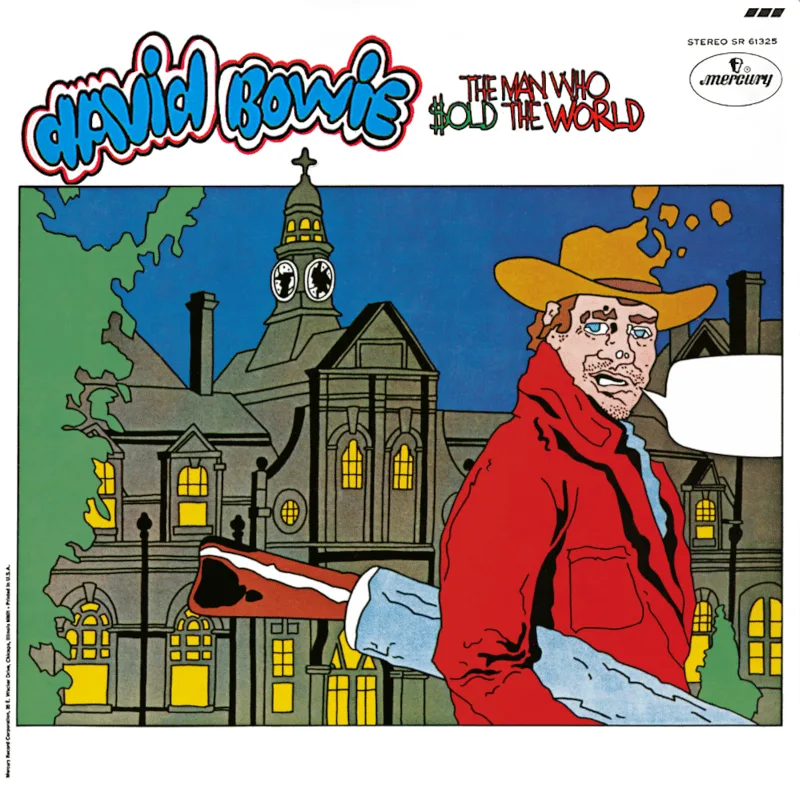
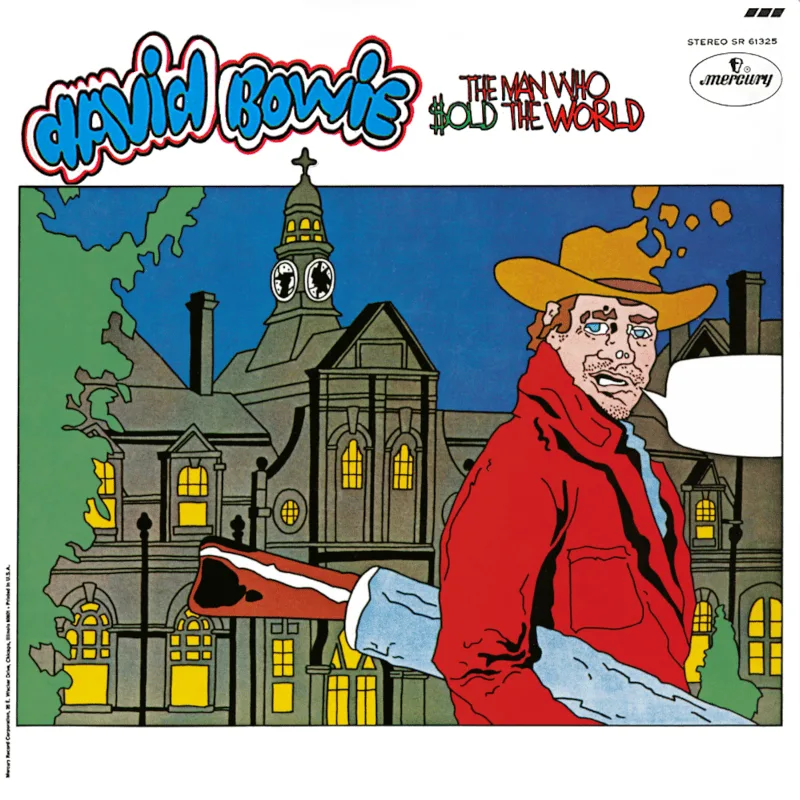
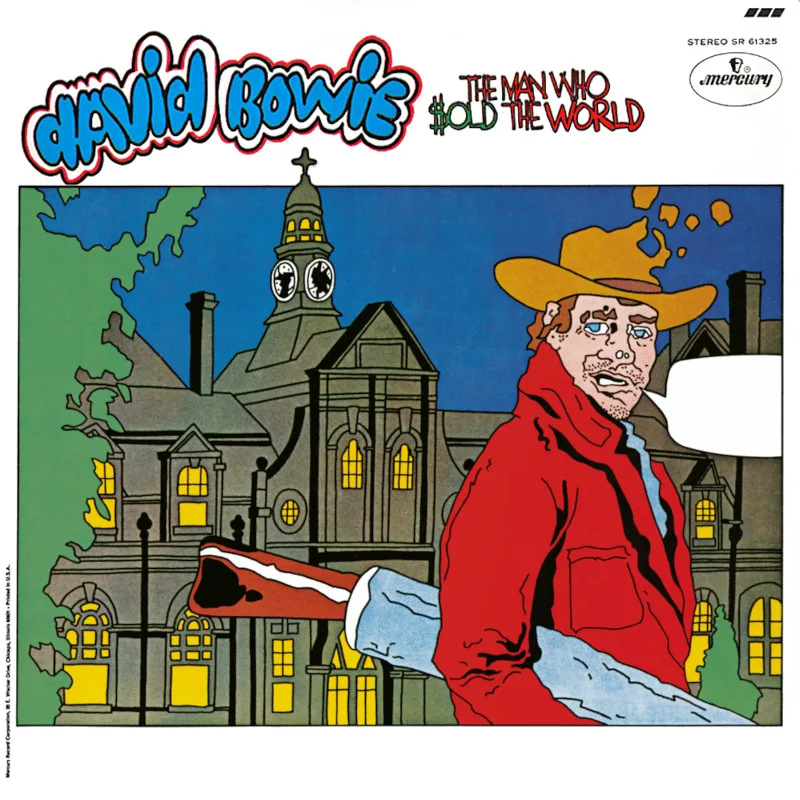
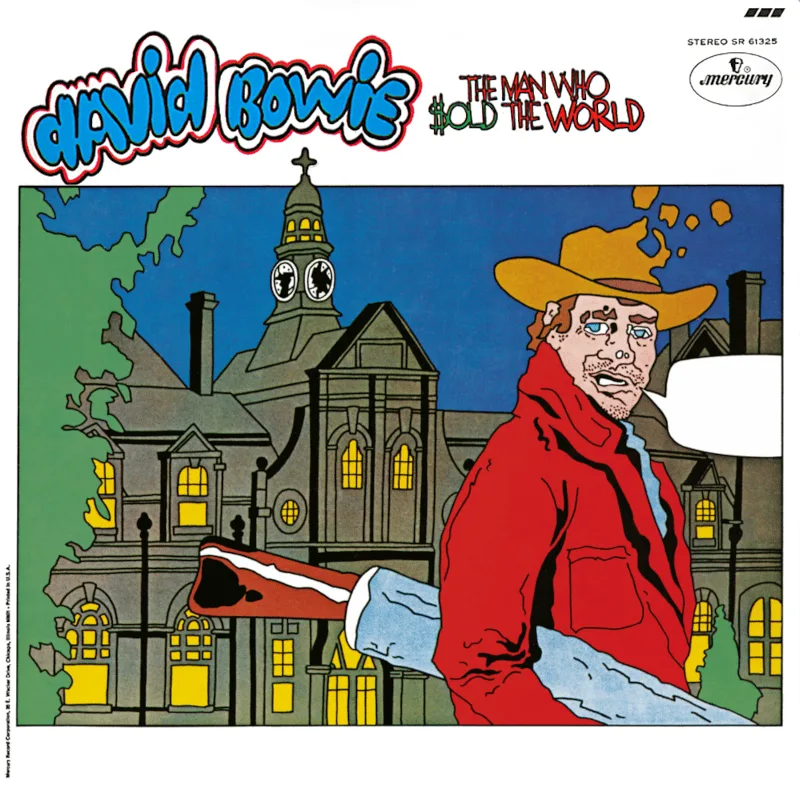
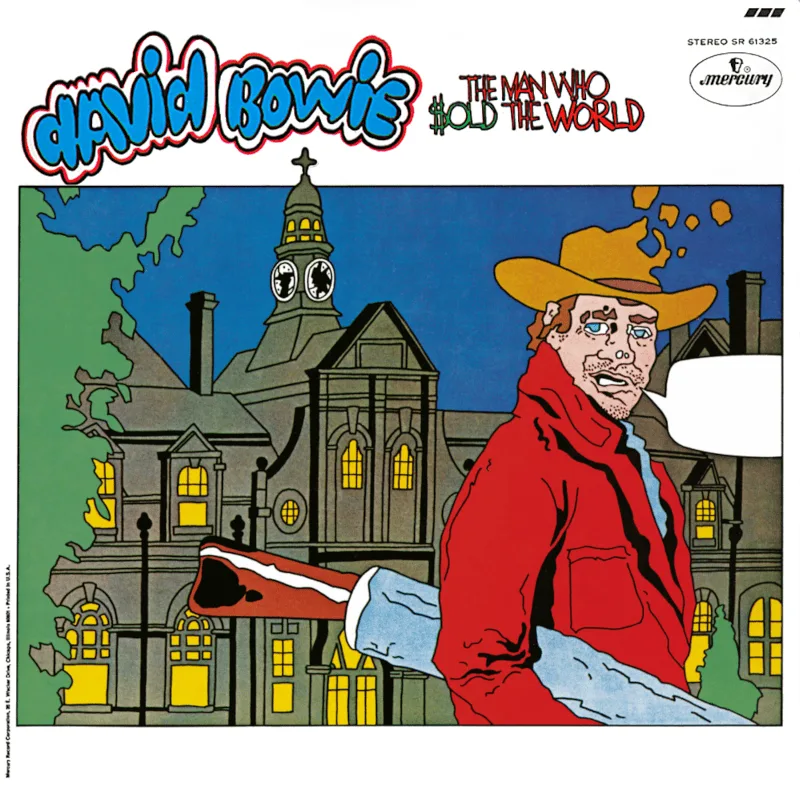
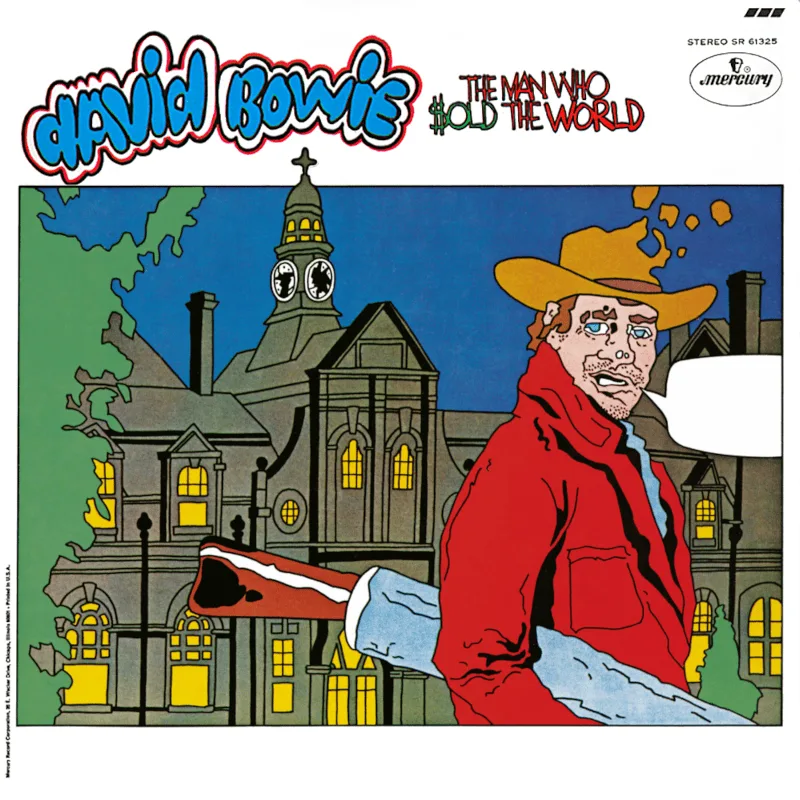
“The Man Who Sold the World” is David Bowie’s meditation on encountering a lost or repressed version of himself, an identity he no longer recognizes after being changed by fame.
David Bowie described “The Man Who Sold the World” as a song about searching for a part of oneself, built around a strange, dreamlike meeting between the narrator and a figure who claims to be his friend but who he believes died long ago 2. Bowie has connected the song to a mystical experience he had while writing it as a 19 year old exploring Buddhism 1, and one widely cited reading takes the encounter as Bowie confronting himself, someone left behind by fame who no longer recognizes who he’s become 1 5. The lyrics were partly shaped by Hugh Mearns’ poem “Antigonish,” itself about a man meeting a figure who isn’t there 1 5.
The meaning
At its core, “The Man Who Sold the World” is Bowie’s own account of “searching for a part of oneself” 2, staged as an eerie encounter on a staircase with someone who insists “he was his friend,” even though the narrator is certain “I thought you died alone / a long, long time ago.” Songfacts sums up the song plainly: it’s about “a man who no longer recognizes himself and feels awful about it” 1, and the ChangesNowBowie live version leans into that “somber, solitary and searching narrative” even more directly 4.
The poem “Antigonish” (‘As I was going up the stair / I met a man who wasn’t there’) gave Bowie the song’s structural backbone 1 5, but the feeling underneath it seems to be autobiographical. One reading argues that the person Bowie meets on the stairs is a version of himself, a kind of twin, since the chorus insists “we never lost control” as if Bowie is speaking for both of them 5. That twin, the theory goes, “died alone, a long, long time ago,” meaning the meeting may only be happening in Bowie’s mind, a confrontation with an earlier self he’s since left behind 5.
Bowie’s own recollection points toward a mystical, almost out-of-body experience while writing it, something he later said felt “as near to a mystical state as a 19 year old could get into,” a period when he was deep in his exploration of Buddhism 1. Decades later, watching Nirvana’s performance of the song, Bowie tied Kurt Cobain’s raw, confessional delivery back to that same original mystical feeling 1, suggesting the song has always carried an unresolved, searching quality for him even as its meaning shifted with time.
One especially resonant interpretation reads the title itself as self-directed: having become famous, Bowie is annoyed with himself for “letting his world be rocked by fame,” having “given up his privacy, his control” so that “his private life is public now” 5. In that light, he’s “the man who sold himself out,” trading an earlier, private identity for stardom, then meeting the ghost of who he used to be on the stairs.
Listeners have proposed a wide range of alternate readings over the years, from religious allegory (Christ or Adam) to historical metaphor (Hitler, WWII) to more personal ones (a friend lost to addiction, or Bowie’s fascination with Syd Barrett). None of these carry the weight of Bowie’s own comments, but their sheer variety reflects how deliberately ambiguous and open-ended the lyrics are, a quality Bowie seems to have built in from the start given its roots in a poem about meeting someone who “wasn’t there.”
Sources
- The Man Who Sold The World by David Bowie - Songfacts
- The 5 Best Covers of David Bowie’s “The Man Who Sold the World” - Consequence
- Black Country Rock by David Bowie - Songfacts
- Hear A Previously Unreleased Version Of David Bowie's 'The ... - NPR
- Behind the Meaning of "The Man Who Sold the World" by David Bowiethe man who sold the world - American Songwriter
- david bowie - the man who sold the world - Questions and ... - Songfacts
- Lyrics for The Man Who Sold The World by David Bowie - Songfacts
Songs by David Bowie
Last updated 2026-08-12