Wesley’s Theory
Song Meaning
“Wesley’s Theory” uses Kendrick Lamar’s fantasy of unchecked spending after getting signed as a setup for a warning about how the music industry and the U.S. tax system exploit and then criminalize newly wealthy Black artists.
Kendrick Lamar has explained that the song’s opening verse replays the exact excess he imagined when he first got signed, before the track pivots into a meditation on money management, a subject he says “we weren’t taught in school” 1. The title and outro (“Tax man comin’”) reference Wesley Snipes’ real federal tax conviction, framing the imprisonment of newly wealthy Black entertainers as an injustice rooted in a lack of financial education rather than criminal intent 1. Underneath that is an extended metaphor comparing the entertainment industry’s treatment of successful Black artists to pimping, using their success for profit before discarding them 1.
The meaning
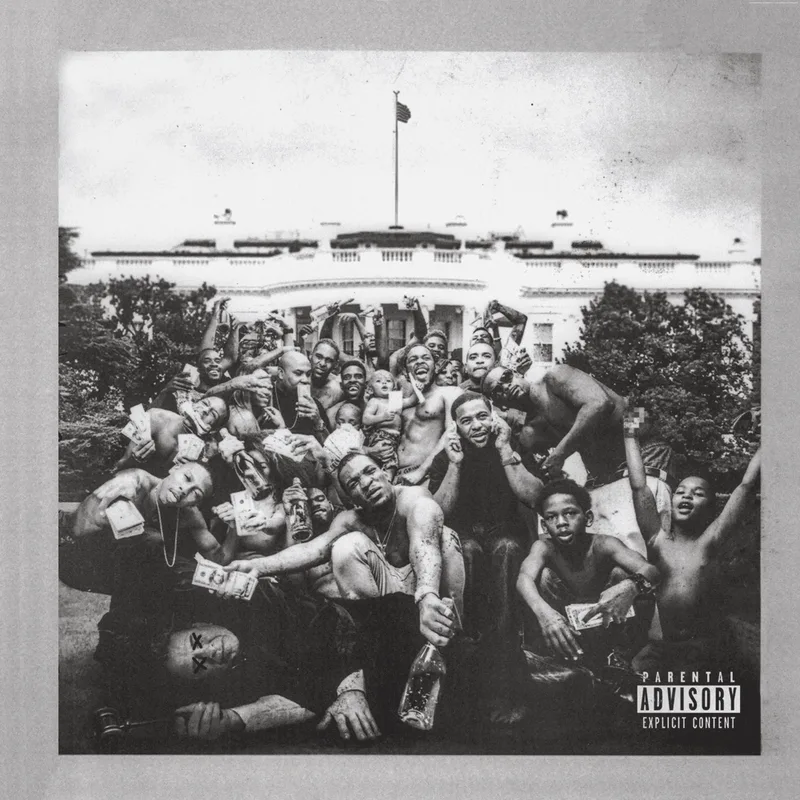
“Wesley’s Theory” opens *To Pimp a Butterfly* with a version of Kendrick Lamar that sounds unrecognizable: giddy, reckless, drunk on the idea of fame. Lines like “When I get signed, homie, I’ma act a fool” and the fantasy of buying M-16s for the block aren’t a boast so much as a role Kendrick says he’s re-inhabiting on purpose. He’s described the verse as a return to “the feeling of what I wanted to do when I got signed,” calling the thoughts “actually real” rather than a character 1. That honesty is what makes the song’s turn so effective, a Guardian review notes it “starts out like the standard bling-dripping, screw-you rapper’s victory lap, but suddenly flips into a troubled disquisition on materialism as a form of control” 2.
The pivot happens through Uncle Sam, who takes over as narrator in verse two, offering Kendrick a house, a car, “anythin’” on credit, no receipts needed. It’s a seduction, and Kendrick has said the song’s real subject is what that seduction hides: “the overall theme of the record, why I love it so much is because it talks about something we weren’t taught in school when we get this money” 1. Financial literacy, in other words, isn’t just a personal failing, it’s a gap the system counts on.
That gap becomes explicit in the song’s title and closing refrain, “Tax man comin’.” Both reference Wesley Snipes, who served three years for failing to file federal income tax returns 1. Kendrick has framed that case as emblematic of a bigger injustice, asking, “you mean to tell me the moment I become successful and I get this money, and I don’t know how to manage my money, that you’re gonna throw me back in jail for taxes?” 1. The line “I’ll Wesley Snipe your ass before thirty-five” isn’t a punchline so much as a threat the song takes seriously.
Running underneath all of it is what one analysis calls “the track’s extended metaphor about the pimping of successful black artists by the entertainment industry,” reworked from the title of the album itself 1. Kendrick has been described as “critical of the way America targets successful African-American entertainers like him who slip up financially,” suggesting the system isn’t neutral, it profits from Black success and then punishes the inexperience it never bothered to correct 1.
The song’s one voice of grounded wisdom comes from Dr. Dre, who breaks in mid-track to remind Kendrick, “anybody can get it, the hard part is keepin’ it.” That interlude has been read as Dre “offering wisdom to Lamar regarding the fact that it’s easy to get success but it can just as quickly become irrelevant” 1, a warning that sets up the rest of the album’s reckoning with fame, guilt, and survival.
Sources
Songs by Kendrick Lamar

Last updated 2026-08-03