PRIDE.
Song Meaning
PRIDE. examines how pride quietly poisons empathy and connection, with Kendrick Lamar confronting his own perfectionism and distrust as obstacles he must overcome before he can honestly love or change anything outside himself.
PRIDE. is Kendrick Lamar looking inward at how pride distorts empathy, trust, and self-image, treating it as one of several human emotions (alongside humility, lust, and love) that he’s working to reconcile within himself 1 2. He frames the song around the idea that “I can’t change the world until I change myself” 1 2, using verses about a “perfect world” to expose his own struggles with perfectionism, distrust, and detachment from others 1. Pride is presented less as arrogance and more as a sin that isolates him from real connection, one he hopes his lyrics can help him atone for 1 2.
The meaning
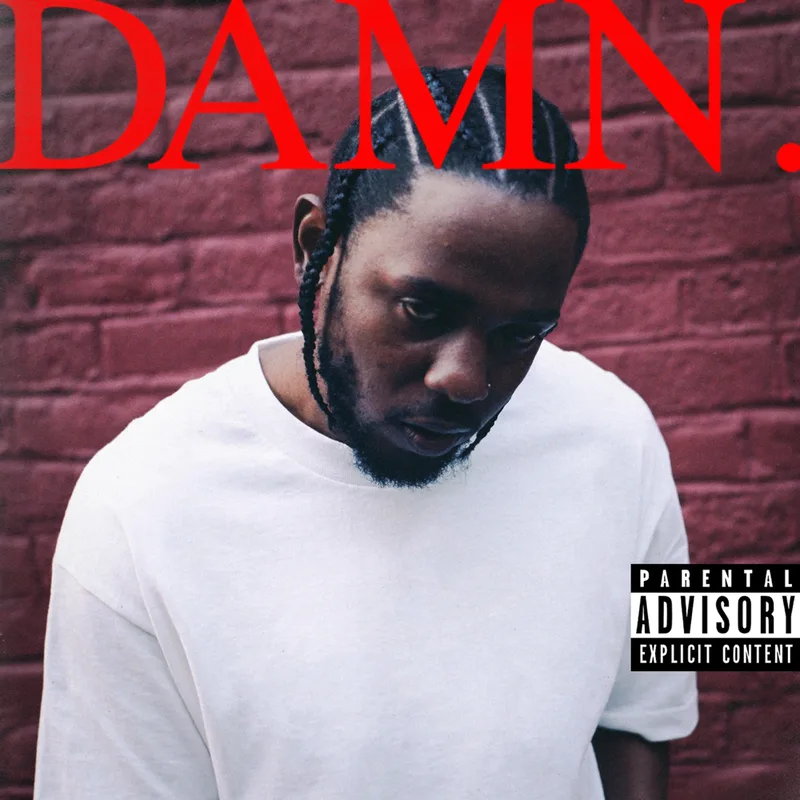
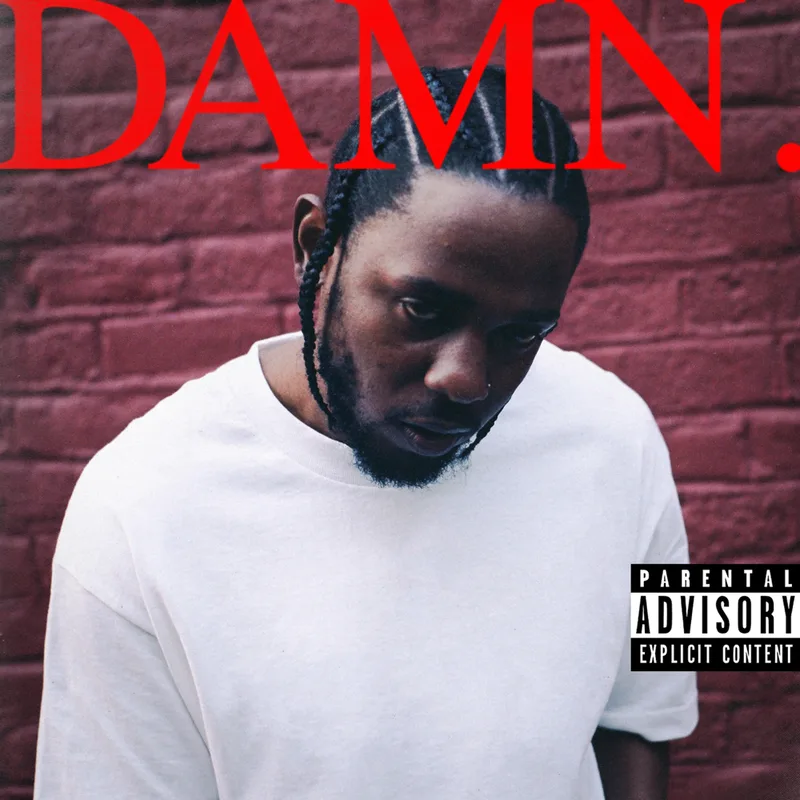
Kendrick Lamar has described PRIDE. as part of a set of DAMN. tracks, alongside “HUMBLE,” “LUST,” and “LOVE,” that function as studies of basic human emotions: “these are all just human emotions and me looking in the mirror and coming to grips with them” 1 2. Rather than a boastful anthem, the song is a confession, an attempt to name and examine pride as something he personally struggles to escape.
The verses repeatedly imagine a “perfect world” only to undercut it. Lines like “I don’t trust people enough beyond they surface, world / I don’t love people enough to put my faith in man” 1 admit that his pride has calcified into distrust and emotional distance. He turns to songwriting as a substitute for the connection he can’t manage in life: “I put my faith in these lyrics, hopin’ I make a band” 1. That admission recurs in his own commentary, where he calls pride one of the sins he finds hardest to shake, hoping his lyrics can make amends for the mistakes it causes 1 2.
Self-awareness without self-forgiveness runs through the track. “I understand I ain’t perfect, I probably won’t come around” 1 shows Kendrick naming his own limitations rather than excusing them. Some analysis frames this tension as rooted in his standing as one of rap’s best, where pride in his craft creates friction between his ideals and how he actually treats people 1, echoing the song’s broader themes of ambition, regret, and hubris 2.
The chorus, sung by Steve Lacy, “I wasn’t taught to share, but care,” reinforces the record’s central distinction: pride can block generosity while still coexisting with genuine concern for others. That’s the tension Kendrick works through across both verses, oscillating between cold detachment (“my feelings might go numb, you’re dealin’ with cold thumb”) and reaching for empathy (“I’m willin’ to give up a leg and arm to show empathy”).
Ultimately, Kendrick frames the song as a starting point rather than a resolution. He’s said he hopes “the listener can take heed and grab something... and carry out their day to the best potential of themselves they see” 1 2, positioning PRIDE. as an invitation for self-examination rather than a lecture. His own logic, “I can’t change the world until I change myself” 1 2, makes clear that confronting pride is the necessary first step before any larger transformation, personal or social, can happen. Some listeners have taken this further, reading the song as Kendrick writing affirmations to himself that he hopes will ripple outward and make others less prideful too 1 2.
Sources
Songs by Kendrick Lamar

Last updated 2026-08-06