Ultralight Beam
Song Meaning
Ultralight Beam is Kanye West’s gospel-hop prayer for faith, protection, and deliverance from despair, built as a communal plea to God rather than a boast about fame or success.
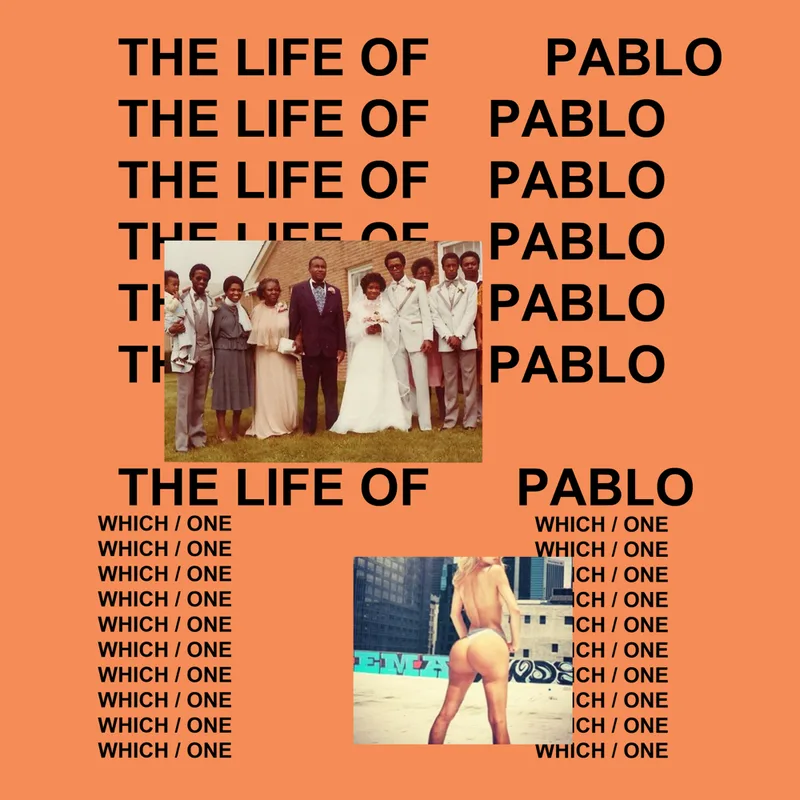
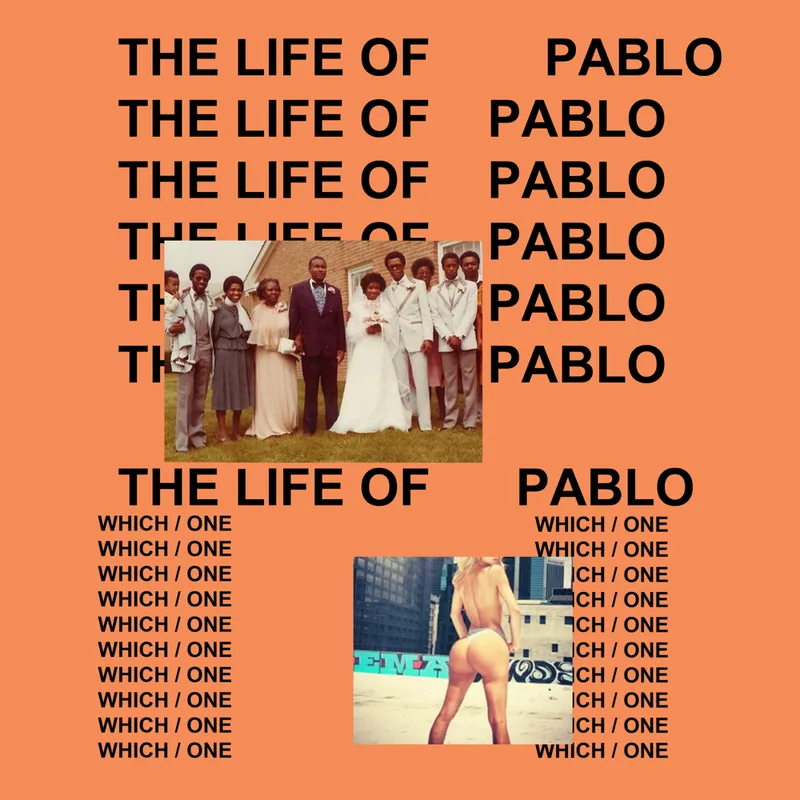
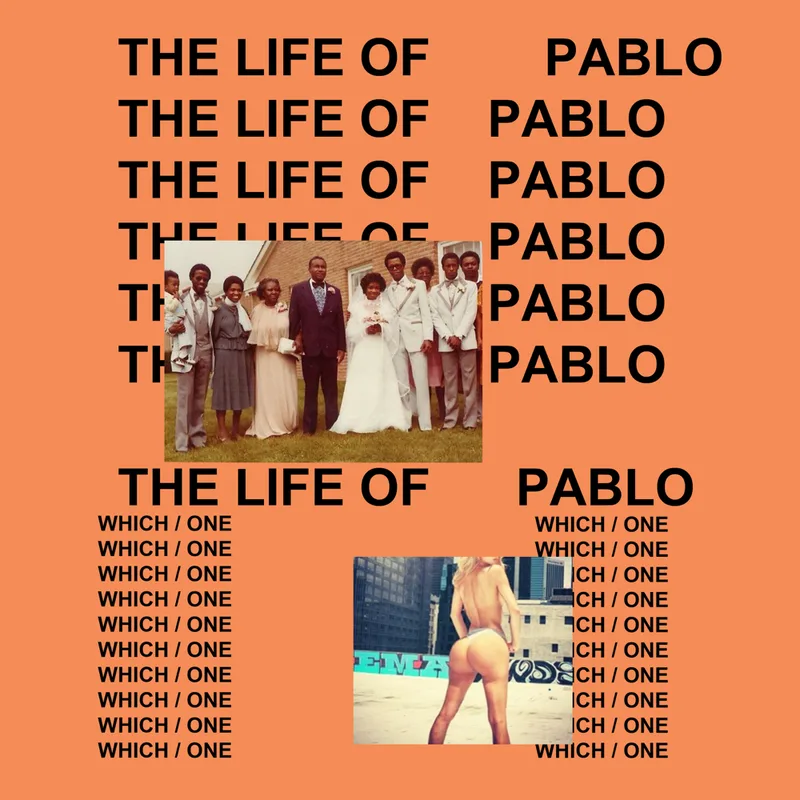
Ultralight Beam is a prayer set to music, an opening statement for The Life of Pablo that trades Kanye’s usual bravado for open pleas for peace, serenity, and love. The choir’s refrain “we don’t want no devils in the house, God” frames the song as a rejection of evil and a request for spiritual protection 2, while the closing verses tie the song’s hope to God’s biblical promise never to abandon humanity, symbolized by the rainbow 3. Chance the Rapper’s verse recasts Kanye himself as a guide leading other artists toward creative freedom, likening him to Harriet Tubman leading people to liberation 1.
The meaning
“Ultralight Beam” opens with a children’s choir intoning “we don’t want no devils in the house, God,” setting the song up not as a boast but as a collective prayer. That line has been explained as a direct rejection of evil and demonic influence, an appeal for spiritual protection against negative forces 2. From the first seconds, the song positions itself as a shield: a request to keep harm out and let something purer in.
Kanye’s own chorus, “we on an ultralight beam, this is a God dream,” keeps that plea simple and repetitive, almost like a hymn. Verse 1’s “deliver us serenity, deliver us peace / deliver us love” extends the prayer outward, naming what’s being asked for rather than what’s being celebrated. The mention of “pray for Paris, pray for the parents” grounds the prayer in real grief, turning the song into an appeal for comfort in the face of loss rather than a triumphant statement.
The rainbow line near the end, “know what God said when he made the first rainbow,” draws on the biblical story of God’s covenant with humanity after the flood, a promise symbolized by the rainbow 3. Placed at the close of Chance the Rapper’s verse, it reframes the whole song’s hope as covenantal: not just a wish for better days, but a reminder of a promise already made.
Chance the Rapper’s verse also reworks the song’s meaning around mentorship and lineage. His line “Tubman of the underground, come and follow the trail” has been explained by Kanye as a reference to his own role leading other artists toward independence and freedom, casting himself as a Harriet Tubman figure for the culture 1. That reading recontextualizes lines like “I met Kanye West, I’m never going to fail” as Chance crediting Kanye’s guidance directly, tying his personal breakthrough to the same spiritual uplift the song is built around.
Taken together, the song moves from communal exorcism (“treat the demons just like Pam”) to personal testimony to biblical promise, all under the umbrella of a shared prayer. It isn’t a song about accomplishment so much as one about needing help, protection, and light, a searching, unresolved “holy war” the Post-Chorus names outright.
Sources
Songs by Kanye West

Last updated 2026-07-22