The Longest Time
Song Meaning
“The Longest Time” is Billy Joel’s doo-wop tribute to falling unexpectedly back in love after a long stretch of loneliness or heartbreak, delivered as a loving homage to 1950s vocal group harmony.
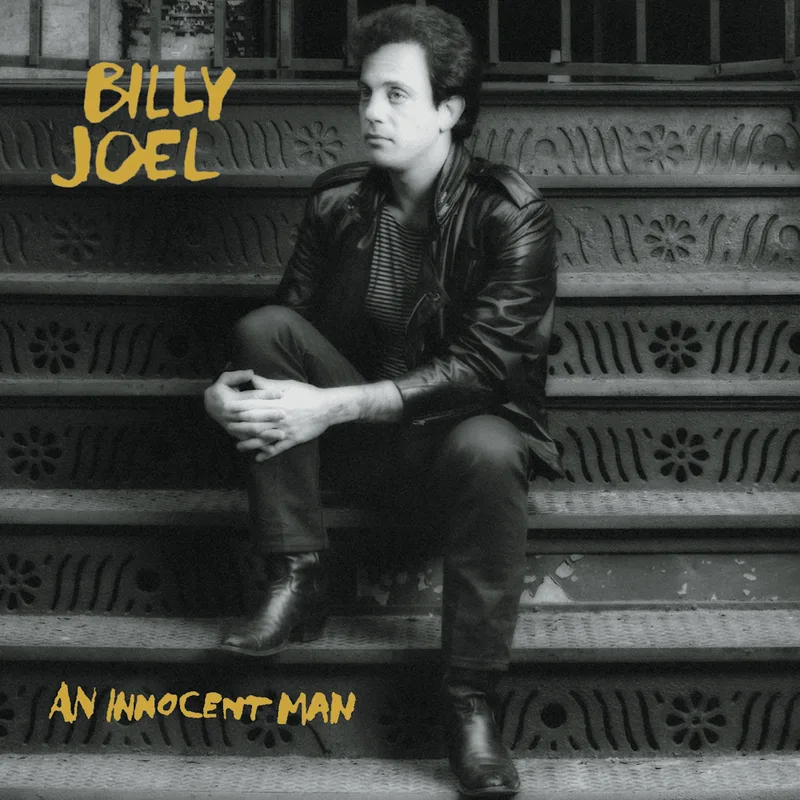
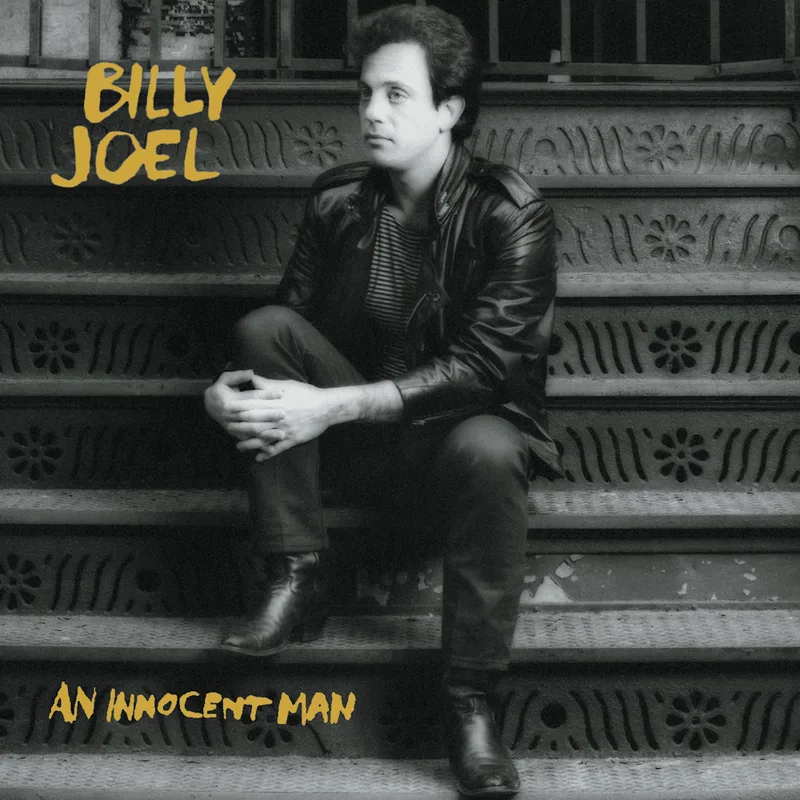
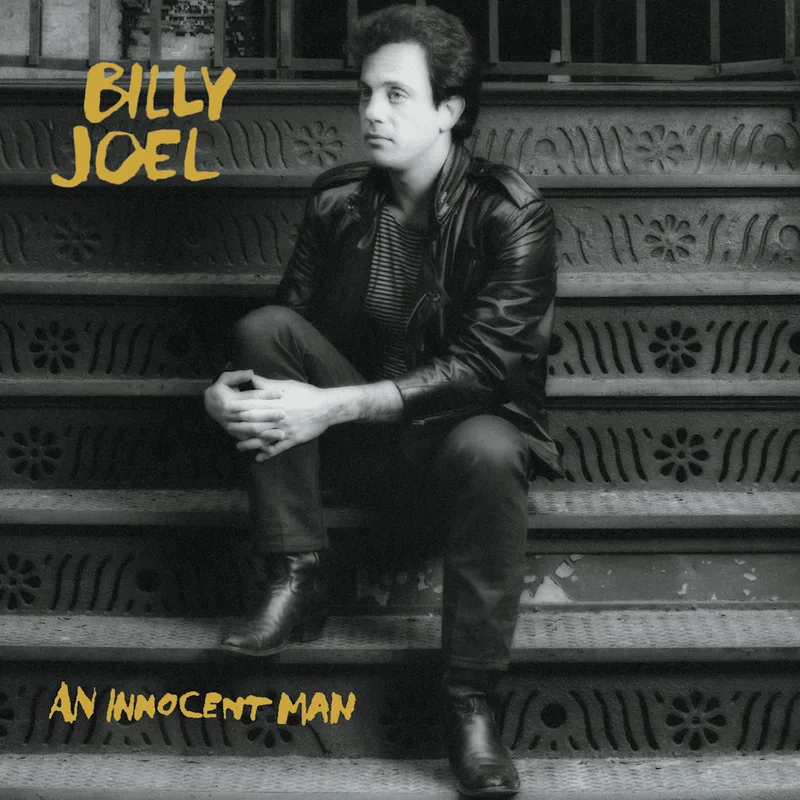
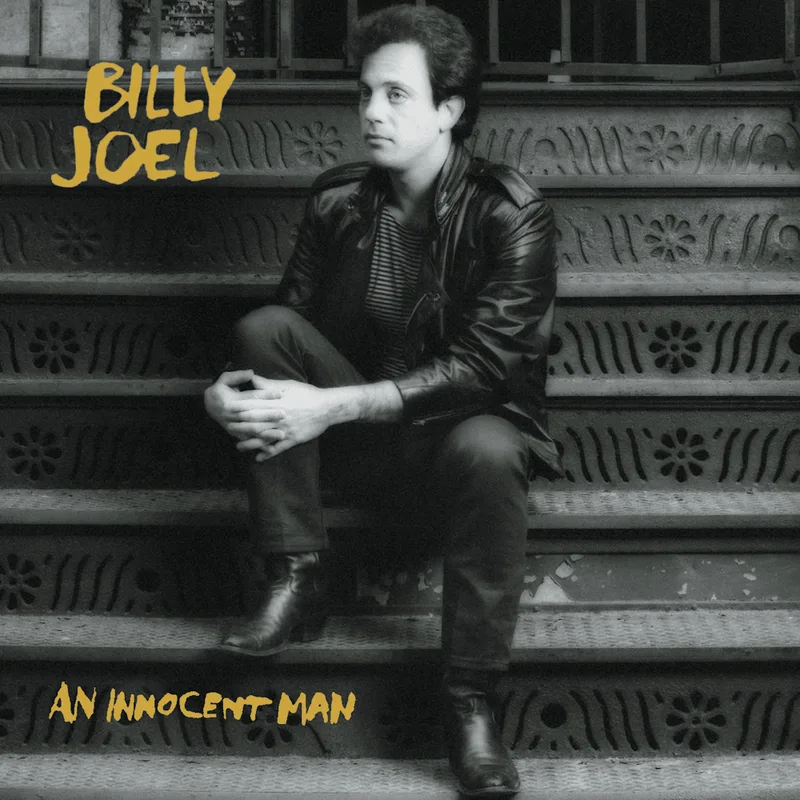
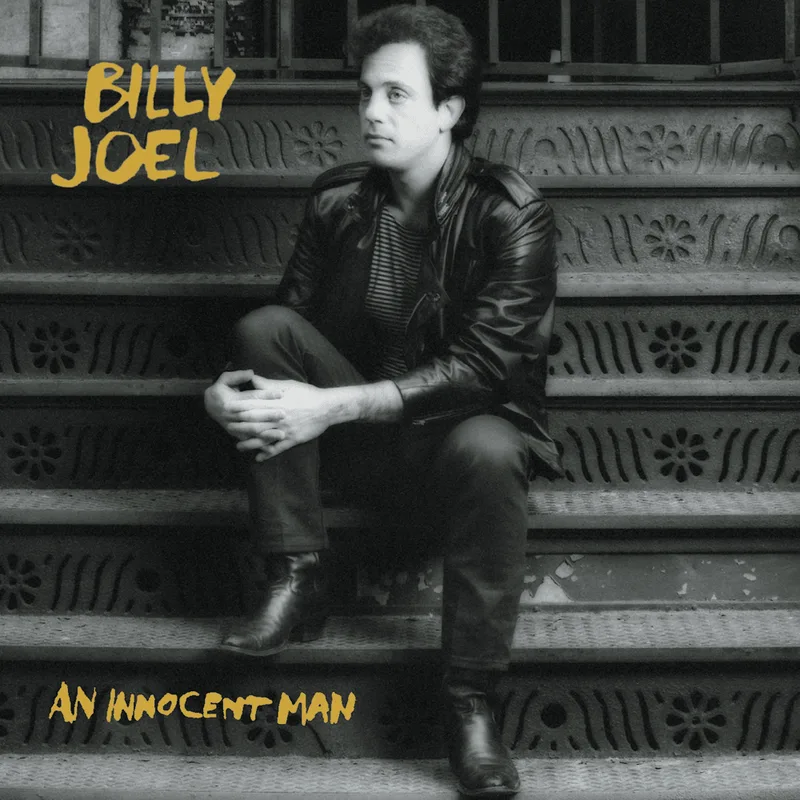
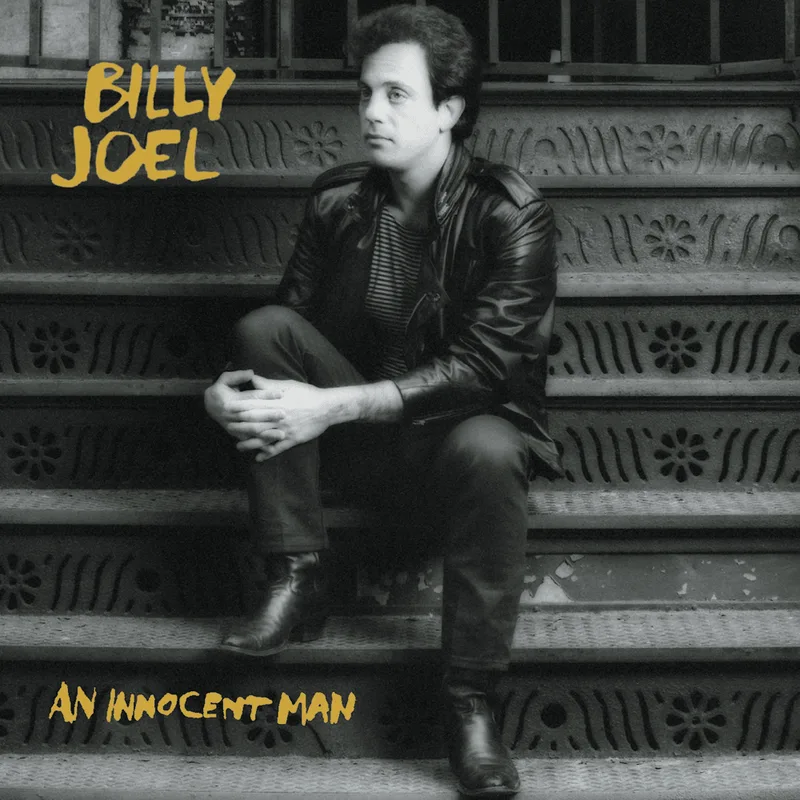
“The Longest Time” is about the giddy disbelief of rediscovering love after giving up on it: the narrator has grown cynical and closed off, then a new relationship catches him off guard and reopens his heart. Joel wrote it as a deliberate homage to 1950s doo-wop, especially Frankie Lymon and the Teenagers, right down to the a cappella vocal arrangement 2. He’s said he likes “borrowing” the style of artists he admires rather than writing something wholly original 1, and the song appeared on An Innocent Man, a 1983 concept album built entirely around the music of his adolescence 2. According to one account, the lyrics were inspired by a specific person named Christie 1.
The meaning
At its core, “The Longest Time” is a song about surprise: the narrator had assumed his capacity for love, or maybe his innocence, was used up (“Once I thought my innocence was gone”), and then someone shows up who reopens all of it (“Now I know that happiness goes on”). The verses trace that arc plainly, from “I forgot how nice romance is” to the vulnerable, almost reckless commitment of the final verse: “I don’t care what consequence it brings / I have been a fool for lesser things.” It’s a love song built on the relief of being wrong about having closed himself off.
Musically and conceptually, the song is inseparable from its role as a period tribute. Joel wrote “The Longest Time” as an homage to Frankie Lymon and the Teenagers, one of the vocal groups he loved growing up 2, and the finished track leans into a cappella doo-wop harmonies that recall that era 1 2. It was part of An Innocent Man, a full concept album of songs paying tribute to the music of Joel’s adolescence in the late 1950s and early ’60s 2, which explains why a song from 1983 sounds intentionally like it was pulled from decades earlier.
Joel has been candid that this kind of stylistic borrowing was the whole point, not an accident: “I don’t steal anybody’s music. Sometimes I borrow their style. I’m always trying to sound like someone else” 1. That framing matters for how to read the song’s meaning: the nostalgia baked into “The Longest Time” isn’t just lyrical (a guy remembering what romance feels like), it’s also structural, since the entire arrangement is Joel reaching back to reinhabit a sound he loved as a teenager.
Interestingly, the song’s origins weren’t romantic at all in conception. Joel has said it started as a classical piano piece he was tinkering with, the same way “Lullabye (Goodnight, My Angel)” came together 1, before it was reshaped into the doo-wop love song that was released. The music video reinforces this layered nostalgia: it shows Joel alone after his class of ‘59 high school reunion, remembering his old doo-wop group 1, tying the song’s 1950s sound directly back to Joel’s own adolescent memories rather than leaving it as pure genre pastiche.
As for who inspired the lyrics, one account holds that the song is about a specific person named Christie, reportedly by her own account in an interview 1, though this is a lower-confidence, secondhand claim rather than something confirmed directly by Joel. Taken together, the strongest, best-supported reading is that “The Longest Time” pairs a straightforward story of unexpected romantic renewal with a deliberate, loving recreation of the doo-wop sound of Joel’s youth.
Sources
Songs by Billy Joel
Last updated 2026-09-09