Easy Money
Song Meaning
“Easy Money” is Billy Joel’s portrait of a compulsive gambler chasing the thrill and self-destruction of quick winnings, a subject Joel understood firsthand after a costly teenage bet.
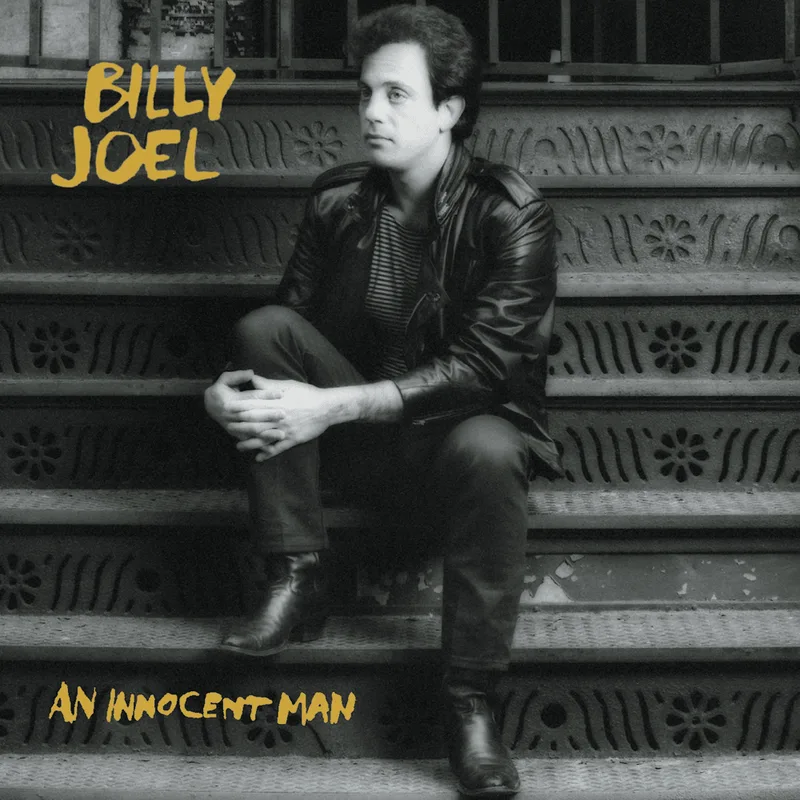
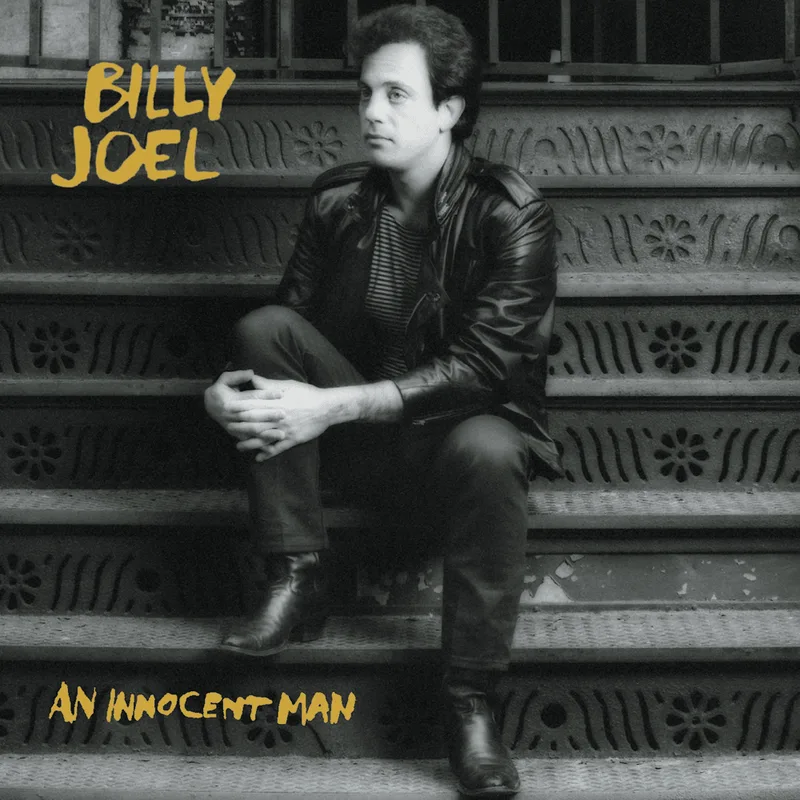
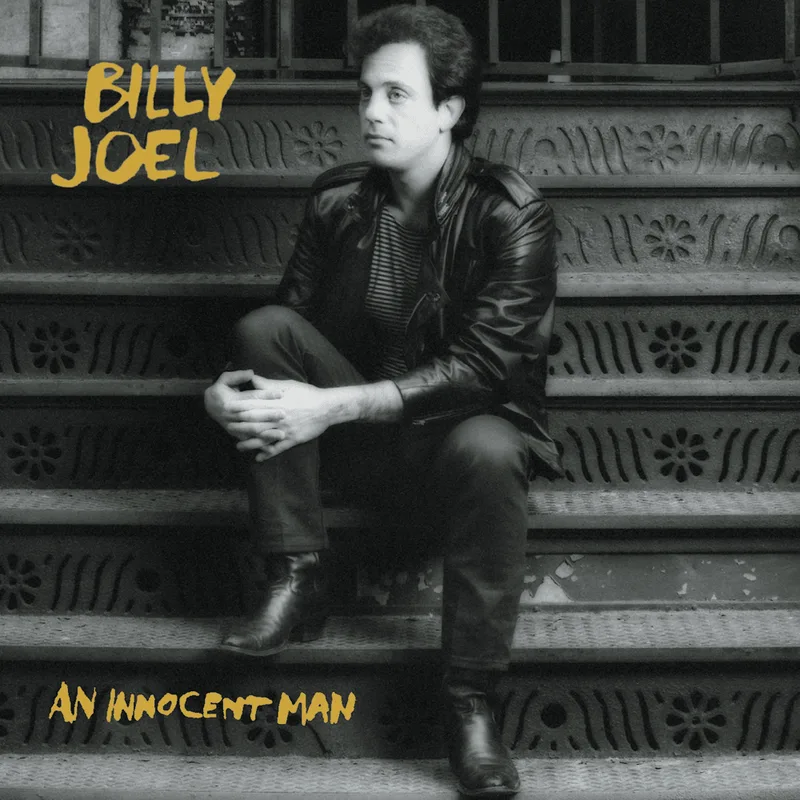
“Easy Money” is a character study of a man hooked on gambling, someone who admits he’s “a man who can’t say no” to any game of chance and will chase the action at the track, the tables, or a card game in the back of a party. Billy Joel has said the song grew out of his own experience betting his life savings, about $60, on a horse as a teenager and losing, an experience that “cured him of gambling immediately” 1. Some listeners tie the song to Rodney Dangerfield’s hopeless-gambler character from the 1983 film Easy Money, which the track served as the title song for 1. Musically, it opens the Innocent Man album with a horn-driven sound Joel modeled on soul artists Wilson Pickett and James Brown 1.
The meaning
“Easy Money” is written in the voice of a gambling addict rather than as Joel’s direct confession, though Joel has drawn a clear line between the character and his own life. In a 2016 Sirius XM interview he explained the song’s origin: “I was talked into betting on a horse when I was 16. I bet my life savings, which was like $60, on a horse that was a sure thing, and the horse lost. So that cured me of gambling immediately” 1. That early loss gave him firsthand knowledge of the pull and the danger of chasing a win, which he channeled into a narrator who never learned the same lesson.
The lyrics build a picture of someone who can’t resist any opportunity to bet: “Take me to the action, take me to the track / Take me to a party if they’re bettin’ in the back.” He frames his compulsion almost as helplessness, singing “I’m a man who can’t say no” and “I don’t need an invitation, if you’ve got a game of chance.” This isn’t someone stumbling into a bad habit, it’s a narrator fully aware of what he’s doing and unable, or unwilling, to stop.
The title itself is ironic. The narrator wants “easy money,” but the song makes clear that gambling is not easy at all: it costs him time with his wife (“Let me call my wife so I can tell her I’ll be late”), puts his standing on the line (“a good reputation laying on the line”), and leaves the outcome entirely uncertain (“I’ll either come back a bum or a king, baby, I don’t know”). That tension between the fantasy of quick riches and the real risk of ruin is the emotional core of the song.
According to one account, Joel wrote the song specifically from the point of view of Rodney Dangerfield’s character in the film Easy Money, a hopeless gambler 1. The song served as the title track for that 1983 film, which lines up with the narrator’s obsessive, self-aware voice throughout the lyrics.
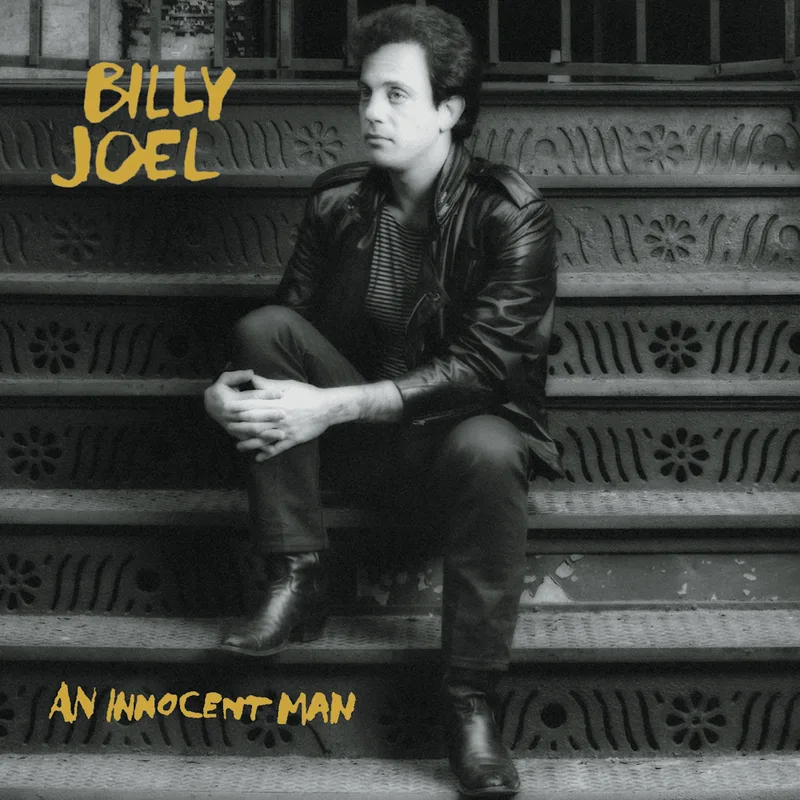
Musically, “Easy Money” opens An Innocent Man with a burst of horns and rhythm that Joel modeled on the soul sound of Wilson Pickett and James Brown 1, giving the gambler’s restless energy a fittingly propulsive, almost desperate groove.
Sources
Songs by Billy Joel
Last updated 2026-09-19