Lateralus
Song Meaning
“Lateralus” is Tool’s meditation on abandoning overthinking for intuition, embracing randomness and spiritual surrender, built around a spiraling, Fibonacci-based song structure that mirrors those very themes.
“Lateralus” is about pushing past the limits of rational, analytical thought to reconnect with intuition and embrace whatever life brings, described in the lyrics as “reaching out to embrace the random” and “whatever may come.” Bassist Justin Chancellor has said the song’s shifting time signatures (a bar of nine, eight, then seven) were built to spiral inward on themselves, which is why the band initially called it “987” 1. That spiral concept extends to the opening lyrics, which follow the Fibonacci sequence in syllable count, reinforcing the song’s core idea of organic, expanding growth 1. Listeners have widely read the song as a call to step outside overanalysis and surrender to intuition, connection, and a sense of shared divinity 1.
The meaning
“Lateralus” is as much about how it’s built as what it says. Justin Chancellor has explained that the song grew out of an experiment with descending time signatures, a bar of nine, then eight, then seven, that made the music feel like it was folding inward: “I saw it as something that kept getting shorter and shorter and, like a spiral, it kind of folds in on itself” 1. That spiral idea isn’t just structural, it becomes the song’s central metaphor, echoed directly in the outro’s repeated command to “spiral out, keep going.” Reinforcing this, the opening verse’s syllable counts (“Black / Then / White are / All I see / In my infancy”) are commonly noted to follow the Fibonacci sequence, where each line’s syllable count is the sum of the two before it, turning the song’s very first words into a mathematical spiral before the lyrics even state their theme 1.
That opening verse also plays with color and perception: “Black / Then / White are / All I see / In my infancy / Red and yellow then came to be.” Fans have connected this to the history of Aboriginal Australian art, which began with only black and white pigments before red and yellow were later incorporated 1. Read this way, the verse becomes a metaphor for expanding perception, moving from a limited, infantile view of the world toward a fuller, more colorful one, which sets up the song’s larger argument about opening up beyond narrow, rigid thinking.
That argument crystallizes in the chorus: “Overthinking, overanalyzing, separates the body from the mind. Withering my intuition, missing opportunities and I must feed my will to feel my moment, drawing way outside the lines.” The song has been described as an examination of life in general 1, and here that examination lands on a specific tension: analytical overthinking cuts a person off from instinct and presence. The pre-chorus’s image of pushing “the envelope” and watching it “bend” reinforces the same idea, testing and dissolving the boundaries that overanalysis creates.
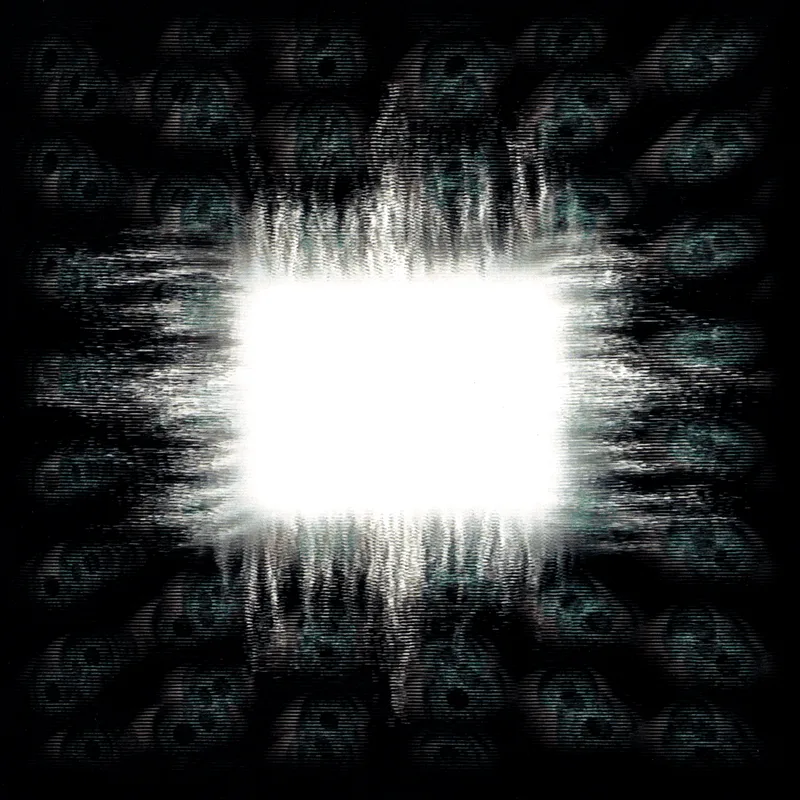
The bridge pushes this further into spiritual territory. Lines like “I embrace my desire to feel the rhythm, to feel connected” and “to swing on the spiral of our divinity and still be a human” have been read by listeners as being about letting go and merging with a universal or divine spirit, embracing one’s own intuition and inner divinity rather than resisting it 1. Some fans have also tied the song and its parent album’s psychedelic imagery, including Alex Grey’s artwork, to DMT-inspired visionary experience 1, a reading that fits the song’s language of dissolving boundaries and “reaching out to embrace the random.”
By the outro, the song’s structural and lyrical ideas converge. “With my feet upon the ground, I lose myself between the sounds” grounds the listener even as the music spirals outward, and the closing refrain “spiral out, keep going” functions as both a literal description of Chancellor’s folding time signatures 1 and a final statement of the song’s theme: growth, whether musical, spiritual, or psychological, happens by continually expanding outward rather than closing in on overanalysis.
Sources
Songs by Tool
Last updated 2026-08-22