Another Brick In The Wall (Part II)
Song Meaning
The song is Roger Waters’ attack on an oppressive, dehumanizing school system that crushed individuality through rigid discipline and abusive teachers, using the classroom as one more brick in a wall of personal alienation.
“Another Brick in the Wall (Part II)” is Roger Waters’ condemnation of an authoritarian British school system that stifled students through rigid conformity and “thought control,” drawn directly from his own miserable childhood education, which he called “awful, really terrible” 1. Waters has clarified the song isn’t a wholesale attack on teachers but on the bad ones who “can really do people in” 1. Within The Wall’s larger story, the song represents one more “brick,” a moment of institutional abuse that deepens the protagonist Pink’s alienation from the world 2.
The meaning
At its core, “Another Brick in the Wall (Part II)” channels Roger Waters’ own bitter memories of school. He later admitted, “Oh, it was awful, really terrible,” describing the classroom experiences that directly inspired the track 1. The chant “We don’t need no education / We don’t need no thought control” isn’t an abstract slogan; it’s a schoolboy’s protest against being molded and controlled by an institution he felt had no room for him.
Waters pushed back hard against the idea that the song was simply anti-teacher or anti-school in a blanket sense. “It’s not meant to be a blanket condemnation of all teachers,” he said, “but the bad ones can really do people in” 1. The target isn’t education itself but the specific cruelty of “abusive schoolteachers” 2, the kind who use “dark sarcasm in the classroom” to humiliate rather than teach. The song’s outro, with its barked “Wrong! Do it again!” and mocking demand that you eat your meat before you can have any pudding, dramatizes exactly that kind of petty, dehumanizing authority.
The line “we don’t need no education” was widely misread in its own time as a call for kids to reject schooling altogether. Waters rejected that reading outright: “They thought that when I said, ‘We don’t need no education,’ that it was a kind of crass, revolutionary standpoint, [but] if you listen to it in context, it clearly isn’t at all” 1. Heard within the full arc of the song and the album, it’s less a rejection of learning than a rejection of “thought control,” the crushing of individual identity that Waters felt his schooling enforced. One source close to that era of British schooling echoed this, noting the song depicted “an oppressive totalitarian rule in primary school” that resonated widely because so many listeners had lived something similar 2.
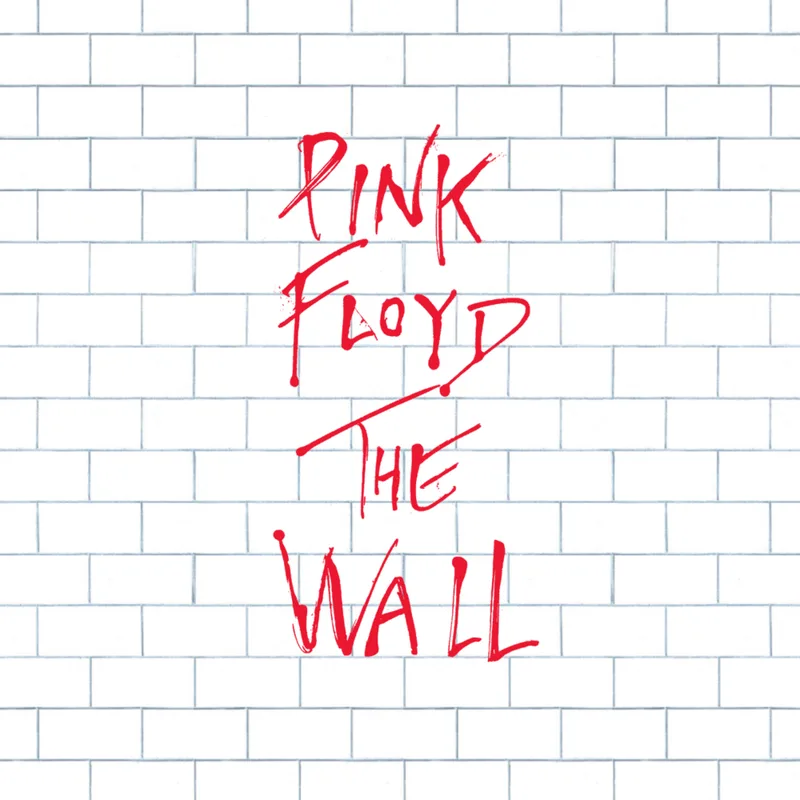
Zooming out to the album, “Another Brick in the Wall” exists in three parts across The Wall, and together they form the record’s central motif: alienation 2. Each version represents another block in the metaphorical wall the protagonist, Pink, builds around himself to shut out a painful world. In Part II specifically, the abusive schoolteacher chapter is one of the formative traumas laid brick by brick 2, following the wartime loss of his father and preceding the isolating pressures of fame that Waters also drew from his own life as a touring musician, describing how arena rock “became a social event rather than a more controlled and ordinary relationship between musicians and an audience” 2.
Ultimately, at least one person close to Waters’ actual schooling, former teacher Alun Renshaw, framed the song simply as personal reckoning: “It was one man’s reflections on his life and how his schooling was part of that” 1. Read that way, the anthem that thousands of children famously sang as a playground rebellion is really Waters working through a specific, personal wound, using the classroom as a stand-in for every force that tried to flatten him into just “another brick in the wall.”
Sources
Songs by Pink Floyd
Last updated 2026-08-19