In Bloom
Song Meaning
“In Bloom” is Kurt Cobain’s sneering commentary on the mainstream fans and “jocks” who sang along to Nirvana’s catchy songs without understanding or sharing the band’s underground values.
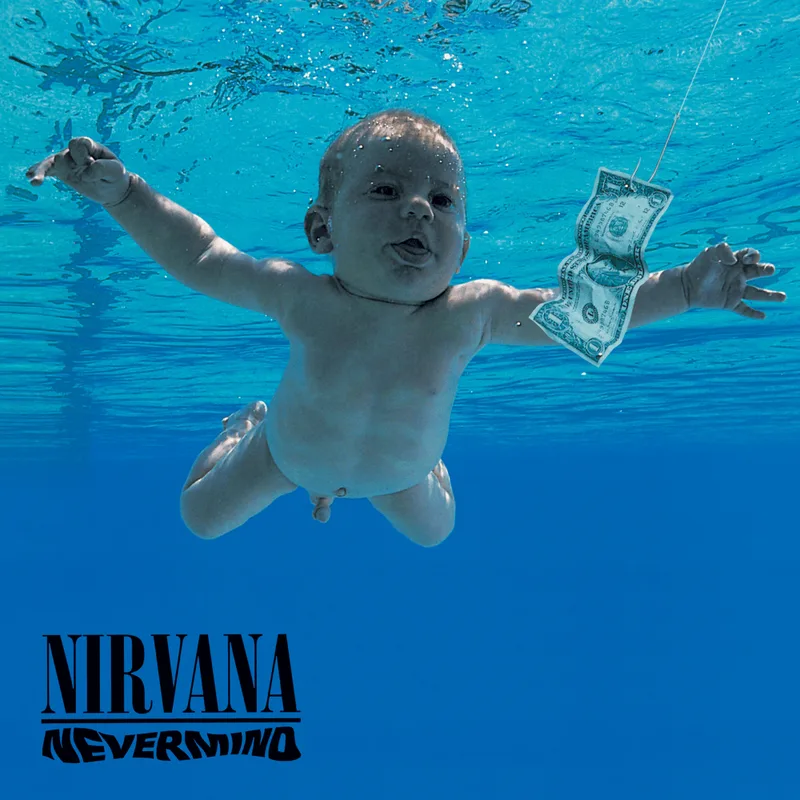
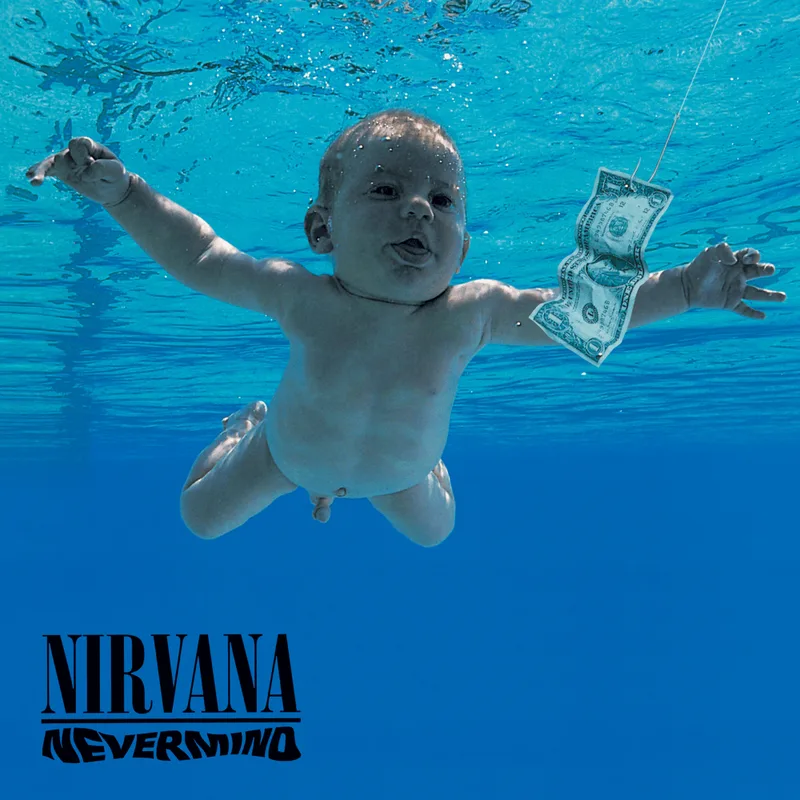
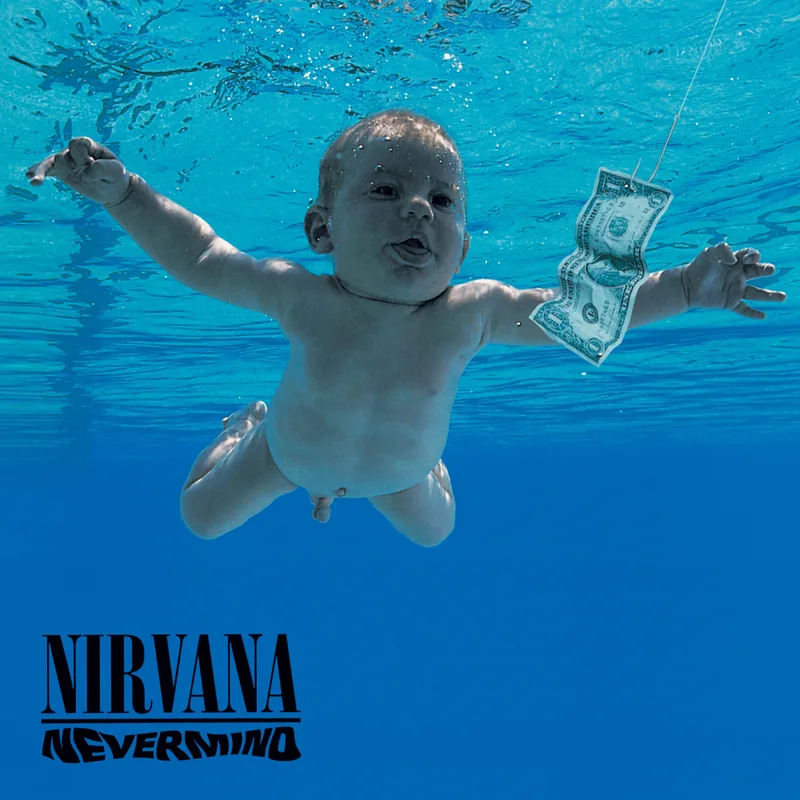
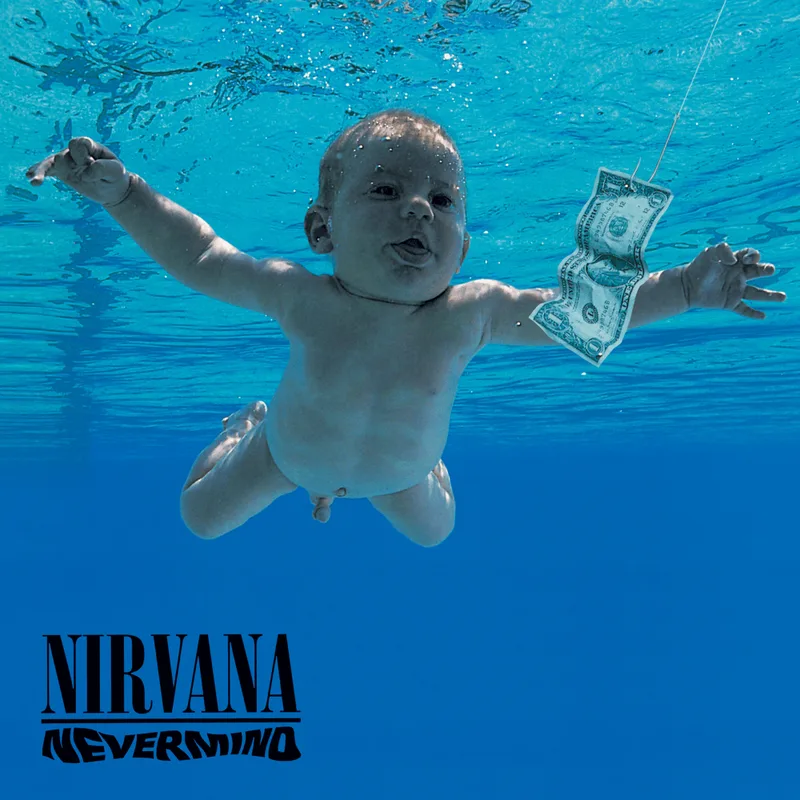
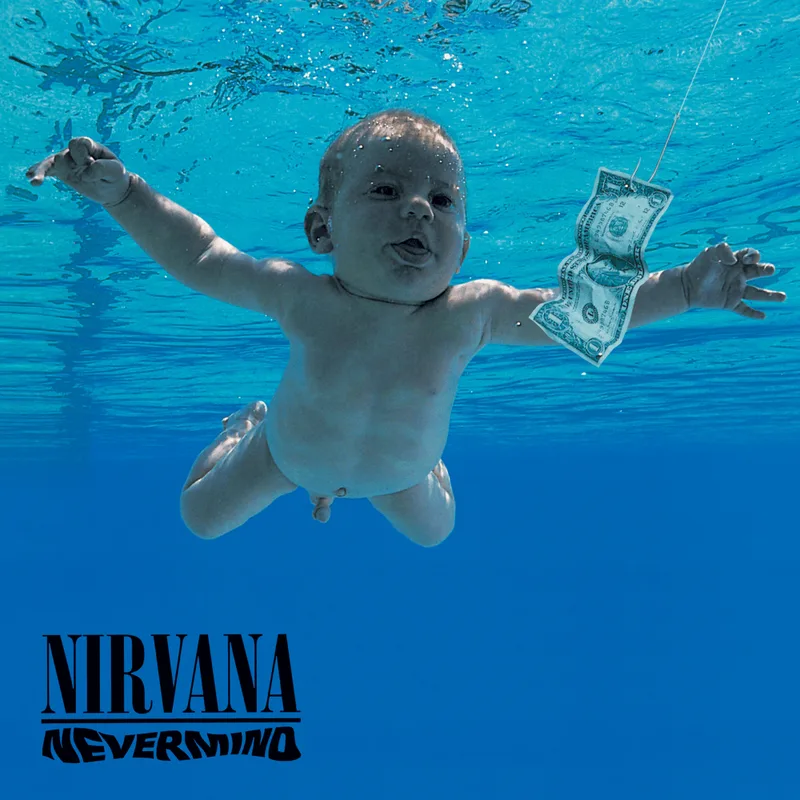
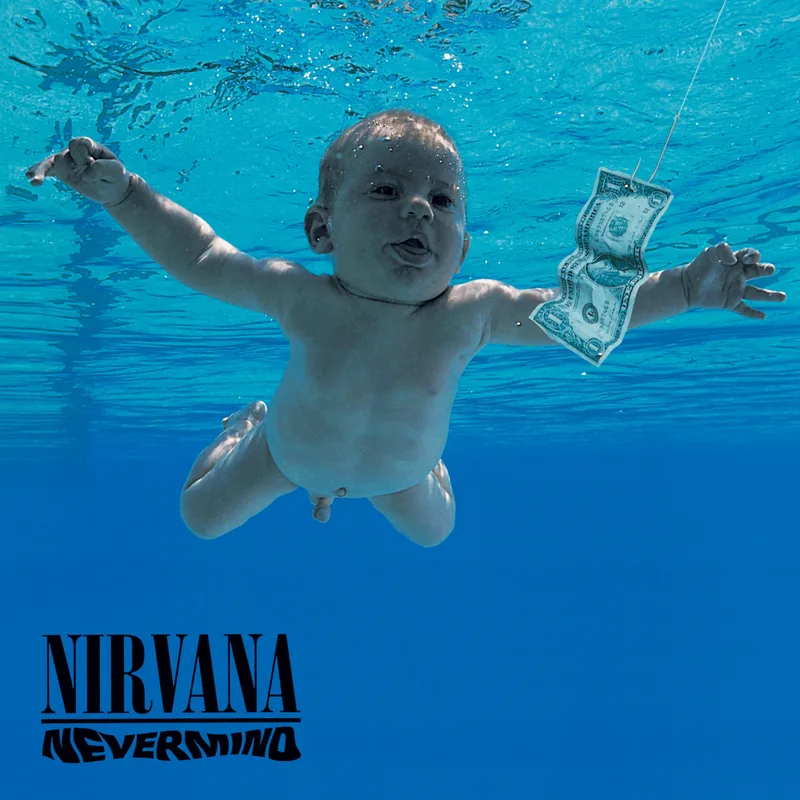
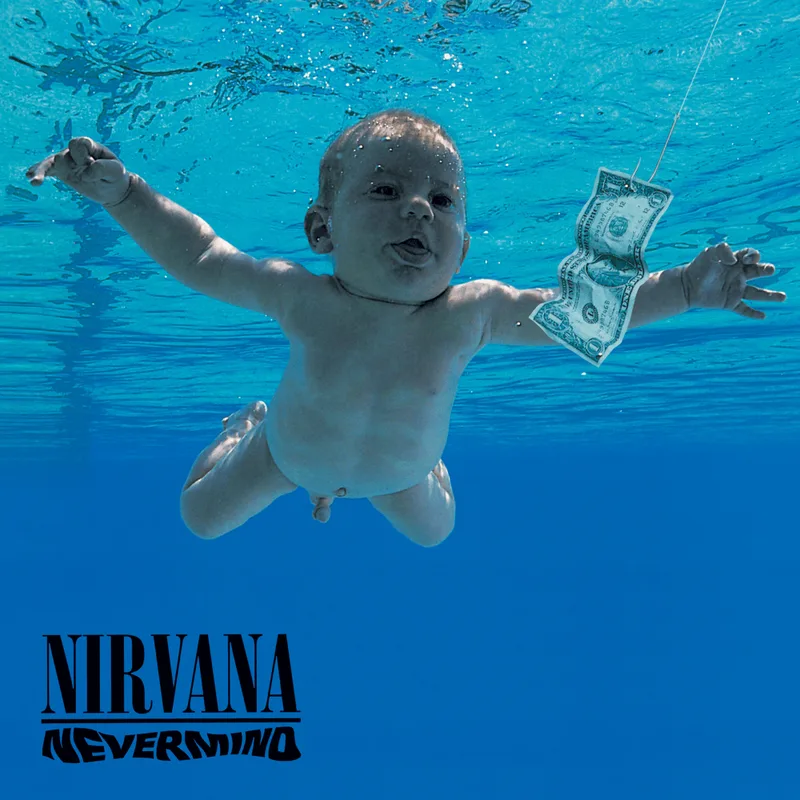
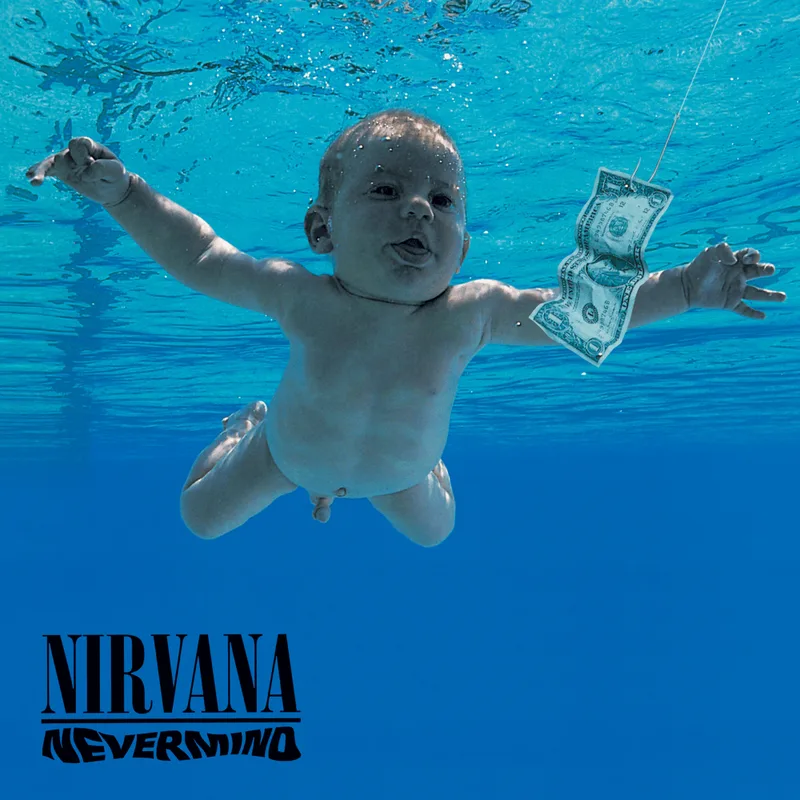
“In Bloom” mocks the mainstream listeners, often described as “jocks,” who flocked to Nirvana’s shows after Nevermind’s success and sang along to the band’s “pretty songs” while missing the point entirely 1. Cobain wrote the chorus specifically to needle the machismo he noticed creeping into his audience 1, and Krist Novoselic has described how Cobain reworked an early, heavier version of the song into the more deliberately pop-leaning arrangement that appears on the album 1. The irony, as writer Michael Azerrad noted, is that the song became catchy enough for exactly those mocked listeners to sing along to 1.
The meaning
At its core, “In Bloom” is Kurt Cobain’s response to watching Nirvana’s audience change after Nevermind broke through commercially. The song was, according to reporting, written to address or poke fun at people outside the underground scene who started showing up to shows once the band went mainstream 2. Cobain zeroed in specifically on “the jocks in the crowd” 1, the kind of macho, oblivious fan who would “likes to shoot his gun” but “knows not what it means.” That chorus wasn’t incidental: Cobain wrote it to mock the machismo he’d spotted in this new wave of fans 1.
Musically, the song’s evolution mirrors its lyrical target. Novoselic recalled that the earliest version sounded like Bad Brains, rawer and more punk 1, before Cobain took it home and “hammered it,” reworking it into “more of a pop thing,” the version that ended up on Nevermind 1. Novoselic has called that album a “safe record,” pop with heavy guitars 1, which fits the self-aware tension at the heart of “In Bloom”: a song about resenting mainstream consumption that was itself engineered to be catchy and mainstream. Azerrad called this the song’s “brilliant irony,” that it became catchy enough for the very people it mocks to sing along to it 1 2.
Beyond the crowd critique, the song carries a broader current of youthful angst and cynicism about conformity 2, and has been read as being fundamentally about alienation, the feeling of being isolated even while surrounded by a crowd of people who claim to be fans 2. That reading lines up with Cobain’s general songwriting approach: he reportedly valued expressing a feeling over constructing a coherent narrative 2, and drew influence from ’80s alternative acts like the Pixies 2.
Cobain’s discomfort with his new audience showed up visually too. The band wore dresses in the “In Bloom” music video partly to antagonize the crowd members Cobain viewed as homophobic 1, turning the performance itself into a pointed jab at the machismo the song describes. Unable to control who was drawn to the band despite his objections to that segment of the audience, Cobain responded the way he knew how: by writing another anthem 1.
One more specific reading exists alongside the crowd-critique interpretation: biographer Charles R. Cross has described “In Bloom” as a thinly disguised portrait of Cobain’s friend Dylan Carlson 2. This isn’t necessarily in conflict with the mainstream-audience reading, Cobain’s lyrics were rarely built around a single literal subject, but it’s worth noting as a distinct, sourced interpretation rather than folding it into the more widely cited “jocks” narrative.
Sources
Songs by Nirvana
Last updated 2026-09-12