One Step Closer
Song Meaning
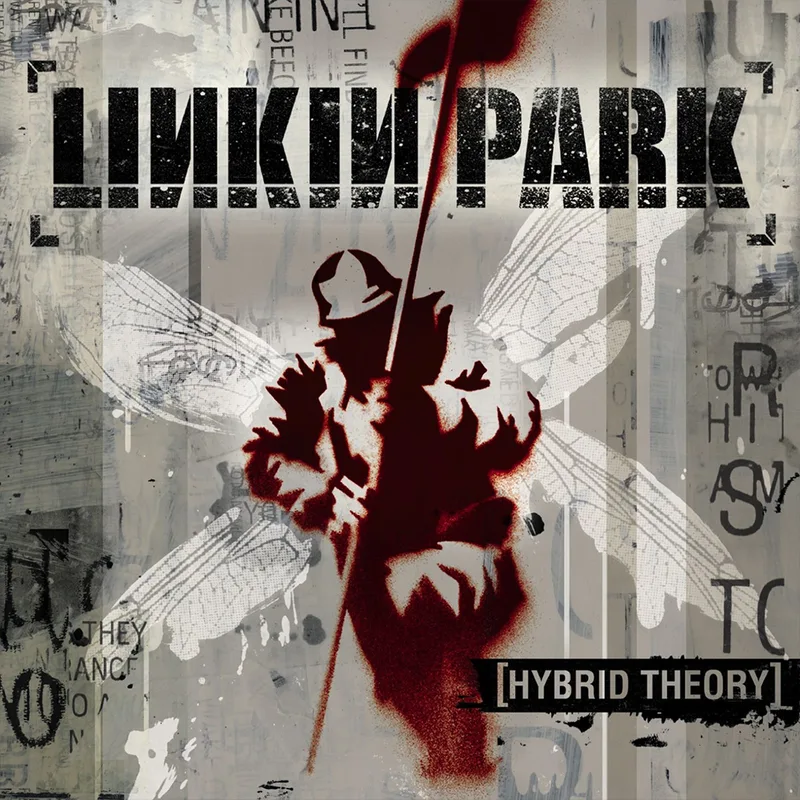
“One Step Closer” is Linkin Park’s raw expression of the anger and creative frustration Chester Bennington and Mike Shinoda felt toward producer Don Gilmore, who kept forcing them to rewrite material during the making of Hybrid Theory, distilled into a song about being pushed to a breaking point.
“One Step Closer” was written by Chester Bennington and Mike Shinoda directly about their frustration with producer Don Gilmore during the Hybrid Theory sessions. Shinoda has said plainly, “’One Step Closer’ was me and Chester literally writing about Don. We were so mad at him” 1, after Gilmore repeatedly pushed the band to rewrite material 1. The song’s most explosive moment, the “shut up” bridge, was “literally Chester screaming at Don” 1. Shinoda has also noted the song wasn’t only about Gilmore, without specifying what else it touched on 1.
The meaning
At its core, “One Step Closer” documents a specific real-world conflict: the friction between Linkin Park and Don Gilmore, the producer brought in to shape *Hybrid Theory*. Mike Shinoda has been unambiguous about this origin, stating “’One Step Closer’ was me and Chester literally writing about Don. We were so mad at him” 1. That anger wasn’t abstract or generalized studio stress; it grew out of a concrete grievance, that Gilmore kept sending the band back to rewrite songs they felt were already finished, which left them “so mad that Chester was just writing words down about how mad he was at Don” 1.
That context reframes lines like “I cannot take this anymore / Saying everything I’ve said before” and “All these words, they make no sense.” Read against Shinoda’s account, these aren’t vague expressions of teenage angst but a description of the actual rewrite cycle the band was stuck in, restating ideas over and over for a producer who kept rejecting them. The chorus, “Everything you say to me / Takes me one step closer to the edge,” follows naturally as a description of Gilmore’s notes and pushback wearing the band down toward a breaking point.
The song’s most direct and famous outburst, the bridge’s repeated “Shut up when I’m talking to you,” is the clearest evidence of this dynamic playing out in real time. Shinoda has described that riff as “literally Chester screaming at Don” 1, turning the bridge into something closer to a transcript of Bennington’s frustration than a metaphorical lyric. It’s the moment the song’s tension, built up through two verses of suppressed irritation (“I found bliss in ignorance”), finally breaks into open confrontation.
Shinoda has also cautioned that the song wasn’t exclusively about Gilmore, saying it was inspired by that frustration “at least in part” 1, though he hasn’t detailed what else fed into it. That leaves room for the song to function more broadly, its lyrics never name Gilmore or reference the studio directly, so listeners can and do hear it as a more general anthem about being pushed past one’s limits by someone else’s demands, whether from an authority figure, a relationship, or any source of repeated pressure. But per the band’s own account, its origin and sharpest edges trace back to a specific, real conflict during the recording of their debut album.
Sources
Songs by Linkin Park

Last updated 2026-09-19