Power Trip
Song Meaning
“Power Trip” is J. Cole’s confession of a long-standing, unresolved crush that follows him from his broke pre-fame days into his success, and he built the song around exposing the shyness and vulnerability that hip-hop typically doesn’t let men admit to.
J. Cole has said “Power Trip” is about the specific, rarely-discussed experience of being too shy to approach a woman you’re attracted to, a feeling he wanted to voice because “a lot of rappers won’t show” that side of themselves 1. He drew directly on his own past timidity, saying “I know what it’s like to be that person” 1, and framed the song as a deliberate break from decades of hip-hop machismo, since rappers have long had “to be like the most coolest, most fly, most macho” 1. Lyrically, it traces a crush that started when he was broke and unknown and still lingers now that he’s famous, with the “power trip” of the title referring to the woman’s hold over him even as his own status has risen.
The meaning
At its core, Cole has explained “Power Trip” as an attempt to write about a side of male desire hip-hop usually skips over: plain shyness. In his own words, the song asks “what if you’re just shy?” and “what if you just don’t really have the balls to holler at this particular woman?” 1. That’s a striking admission for the genre, and Cole frames it as part of a broader push toward “a different level of honesty” in his writing 1.
The verses back this up. Cole raps about “anonymous flowers sent, you know coward shit” and admits to “childish shit, you know child and shit,” recalling a time he had genuine intentions for this woman (“even wrote the song ‘Dreams’ for ya... thoughts of a ring for ya”) but couldn’t bring himself to act on them directly. He’s said this vulnerability isn’t invented for the song, it comes from personal experience: “guess what? I’ma tell you about it ’cause I know what it’s like to be that, too” 1.
The title’s meaning becomes clearer against that backdrop. Cole contrasts his newfound fame and status (“Now a nigga signed to Hov, took a power trip / Back home, I’m grown now, and the city’s my throne now”) with the fact that this one woman still has power over him emotionally: “She on a power trip, she got me where she want a nigga.” It’s a reversal of the usual rap posture, where the artist is in control; here, Cole positions himself as still caught up, still “on you,” despite his success. He’s explicit that this is a reaction against “20 years now of rappers having to be” macho 1, making the song’s soft, obsessive tone the point rather than a lapse in it.
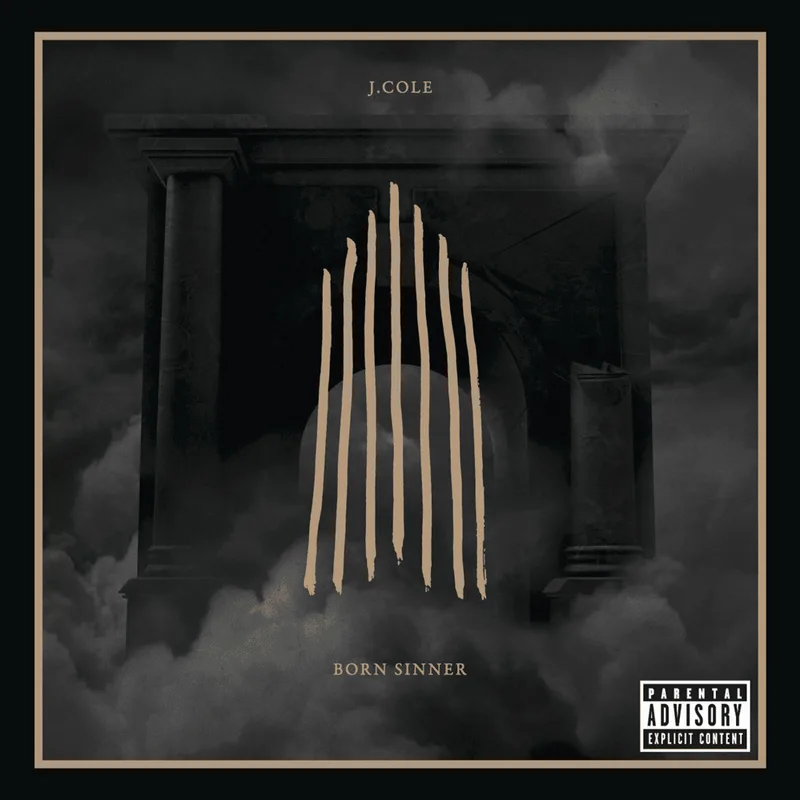
Outside interviews, outlets have described the track more simply as a love song: one built around a persistent teenage-era crush that follows the narrator into adulthood 2, and as him returning home after success but still unable to shake his attraction to “the one that got away” 2. Others have called it an “ode to unrequited love” 3 and noted its release was seen as “unexpectedly romantic” for Cole at the time 3. Those descriptions align with what Cole says himself, they just emphasize the romantic longing side of the same shyness-and-vulnerability theme he described in his own words.
It’s worth separating the song’s meaning from its music video, which tells its own dramatized story: a high-school crush that escalates into a fatal conflict involving Miguel’s character 5. That’s a narrative device for the visual, not something Cole has tied back to the song’s actual meaning, so it sits apart from the more grounded, autobiographical explanation he gave about shyness and honesty 1.
Sources
- J. Cole On Competition And Writing Honest Songs - NPRJ. Cole - Power Trip at Radio 1's Big Weekend
- J. Cole Drops ‘Power Trip’ Single Featuring Miguel: Listen - Billboard
- J. Cole, Reps Talk ‘Power Trip’ Single & ‘Born Sinner’ AlbumJ. Cole Debuts Miguel-Assisted 'Power - Billboard
- Note to Self by J. Cole - Songfacts
- J. Cole Debuts Miguel-Assisted 'Power Trip' Video, Sets 'Born ... - Billboard
Songs by J. Cole
Last updated 2026-07-23