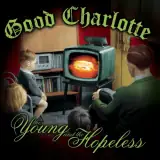
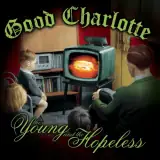
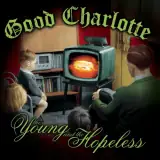
The Young & the Hopeless
Song Meaning
The Young & the Hopeless is Good Charlotte’s declaration of independence, an anthem for kids written off as lost causes who refuse to apologize for surviving hard circumstances on their own terms.
The Young & the Hopeless is about owning the label society gives to troubled, written-off kids and turning it into a badge of defiance rather than shame. The narrator refuses to justify his choices to anyone, insists his pain and anger (including at his father) are real rather than a pose, and pushes back against people who claim authority over his identity or his music without having lived his experience 1 2. The title itself becomes an act of reclamation: yes, I’m young and hopeless, and I don’t care what that makes me look like to you.
The meaning
At its core, “The Young & the Hopeless” is a song about refusing to be defined by other people’s judgment, whether that judgment comes from family, critics, or the music industry. The narrator opens by crediting his hardship directly: “hard days made me, hard nights shaped me,” framing struggle as the source of his identity rather than something to hide. That defiance carries into the chorus, where he lists the labels thrown at him (young, hopeless, lost, troublesome, fallen, angry at my father) and answers all of them with the same line: “I don’t care.” It’s less nihilism than armor, a way of taking the words used against him and wearing them as his own.
The verses sharpen this into a specific frustration with being misread. In verse two, the narrator insists “no one in this industry understands the life I lead” and that singing about his past “is not a gimmick, not an act” 1. That line reads as a direct response to skepticism about whether Good Charlotte’s working-class, broken-home backstory was genuine or a marketed image, and the song pushes back by asserting the pain behind it is real, not performance.
That same defensiveness extends to genre politics. The line about “critics and trust fund kids” trying to define what punk is taps into a broader early-2000s argument over whether bands like Good Charlotte, seen by some purists as too polished or pop-leaning, deserved to be called punk at all 2. The song answers that gatekeeping by pointing out the irony: people with comfortable backgrounds (“trust fund kids”) lecturing him on authenticity, when he sees them “on the streets” with “nothing to say,” nothing lived to back up the lecture.
Underneath the genre debate is the more personal wound named directly in the chorus: anger at his father. That single line ties the whole song’s bravado to a specific, unresolved family rupture, suggesting the toughness on display (“I take what I want, take what I need... only God can judge me”) is partly a response to abandonment or absence, not just outside critics. The pre-chorus questions (“will tomorrow be the same? Am I just running in place?”) puncture the bravado just enough to show doubt underneath the defiance; the narrator isn’t sure he’s actually moving forward, only that he intends to keep getting up when he falls.
Taken together, the song works as both a personal statement and a generational one: it speaks for listeners who feel prejudged as lost causes and reframes that judgment as fuel. The repeated “I don’t care” outro isn’t quite indifference; it’s closer to a coping mechanism, a way of surviving being written off by refusing to let the label sting.
Sources
Songs by Good Charlotte
Last updated 2026-09-27