Silver Springs
Song Meaning
“Silver Springs” is Stevie Nicks’ raw breakup song about Lindsey Buckingham, written as both a farewell and a vow that he’d never escape the memory of her love.
“Silver Springs” documents Stevie Nicks’ breakup with Fleetwood Mac bandmate Lindsey Buckingham, written while the split was still a fresh wound during the Rumours sessions 1. Nicks has described wanting listeners to “stand back and really watch and understand” what the relationship had been 2, and the song doubles as a pointed message to Buckingham himself, that her voice on the radio would haunt him for the rest of his life 2. Producer Ken Caillat summed it up simply: it’s a song born from mutual anger, captured as art 2. Nicks herself has called it “probably the best song” she’s ever written 1.
The meaning
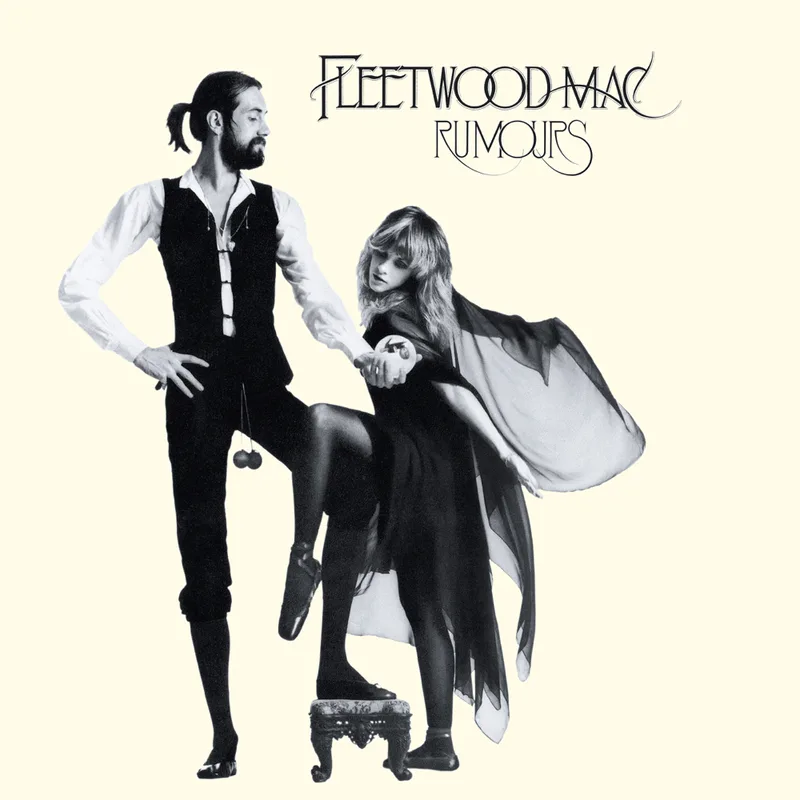
“Silver Springs” is Stevie Nicks’ account of her collapsing relationship with Lindsey Buckingham, written in 1976 while the wound was still fresh, a year before Rumours was released 1. Where Buckingham processed the same breakup through the biting resignation of “Go Your Own Way,” Nicks answered with something more layered: tenderness curdling into fury 1 2.
The verses trace that arc directly. She opens with an image of what they could have been (“You could be my silver spring / Blue-green colors flashin’”), a tender, almost pastoral vision of devotion, before the ground shifts: “So, I begin not to love you / Turn around, see me running.” It’s the sound of someone talking themselves out of feeling something that hasn’t actually gone away.
That tension between mourning and retribution is the emotional core of the song, and it’s not just an interpretation read into the lyrics, Nicks has said as much directly. She wanted the song to make people “stand back and really watch and understand” the reality of what she and Buckingham had been through 2. But she’s also been candid that the song was a weapon as much as a confession. In her own words: “I’m so angry with you. You will listen to me on the radio for the rest of your life, and it will bug you. I hope it bugs you” 2. That line reframes the chorus’s repeated threat, “I’ll follow you down / ’Til the sound of my voice will haunt you”, from metaphor into literal intent.
Producer Ken Caillat, who watched the sessions unfold in real time, described the song plainly as a product of that mutual anger between Nicks and Buckingham, channeled into something that worked as art 2. That the song was then relegated to the B-side of Buckingham’s own breakup anthem only sharpened its role as Nicks’ answer to him 1.
Decades later, Nicks has called “Silver Springs” probably the best song she’s ever written 1, a testament to how fully she turned a specific, painful rupture into a song that still functions as both elegy and warning.
Sources
Songs by Fleetwood Mac
Last updated 2026-08-12