The Ringer
Song Meaning
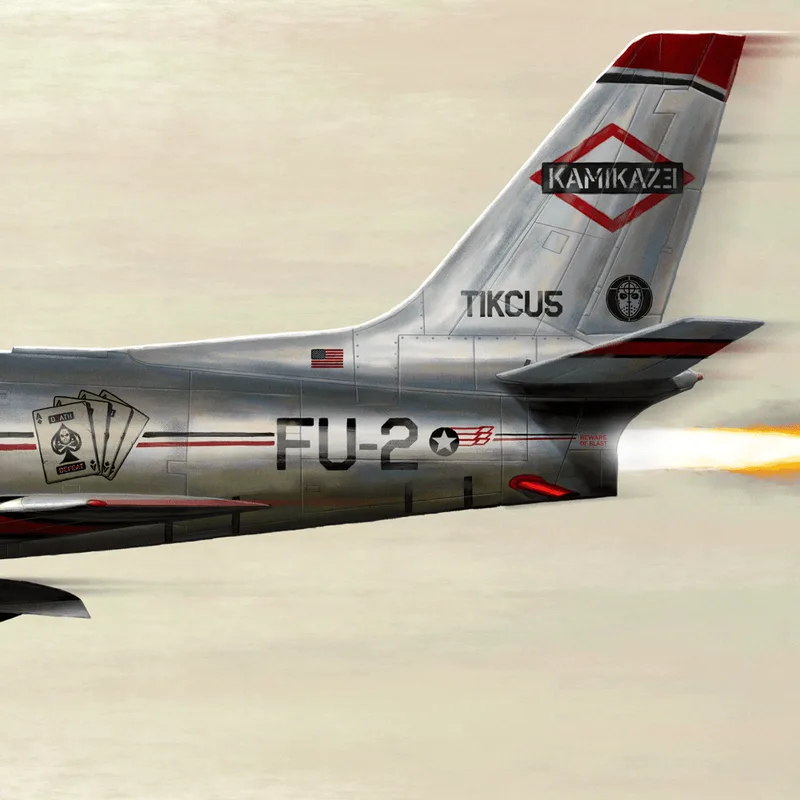
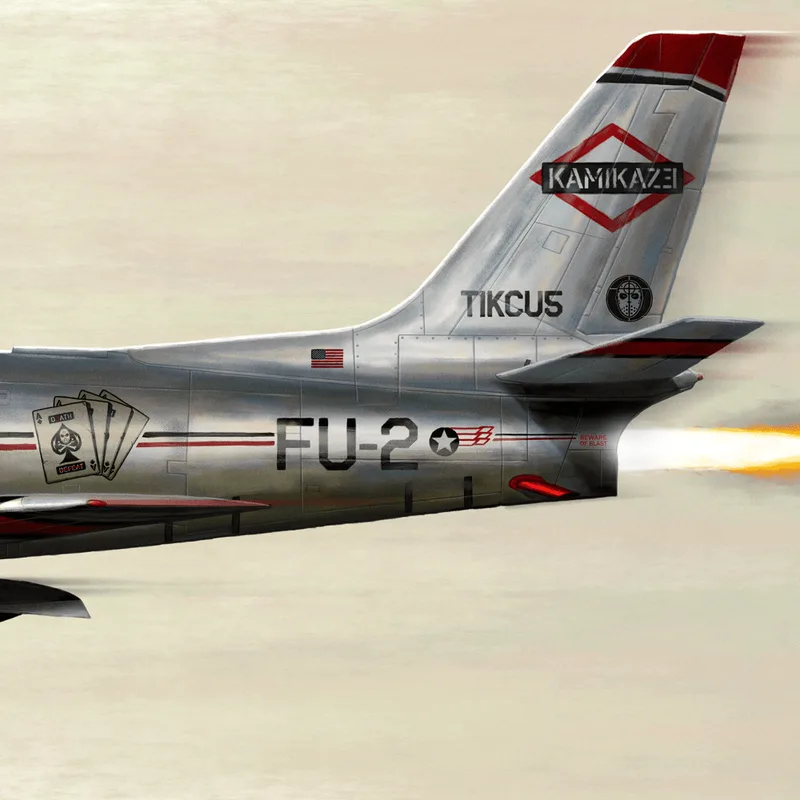
“The Ringer” is Eminem’s rapid-fire opening statement on Kamikaze, a defensive, combative track where he lashes out at critics, mumble rappers, journalists, and Donald Trump while wrestling with regret over the political fallout of his 2017 anti-Trump freestyle.
“The Ringer” is Eminem’s opening salvo on Kamikaze, a stream-of-consciousness rant aimed at nearly everyone he feels has wronged him: critics who panned Revival, mumble rappers like Lil Yachty, Lil Pump, and Lil Xan, Vince Staples, Charlamagne tha God, and journalists 5 7. Running through it is a more serious thread about his 2017 BET anti-Trump freestyle, which he says triggered a Secret Service visit and cost him a chunk of his fanbase, and which he now says he regrets phrasing so bluntly, wishing he’d shown more empathy for the Trump supporters he alienated 1 4. The title itself captures the record’s stance: Eminem framing himself as someone who’s been “put through the ringer” by the media and public backlash, and is firing back [document title reference].
The meaning
“The Ringer” functions as Eminem’s opening indictment of, as one critic put it, an alphabetized list of targets: “the alphabet, Vince Staples, people that didn’t spend enough time with Revival, Lil Yachty (sort of), Mike Pence, former fans, Lil Xan, Lil Pump, people that use Auto-Tune, Charlamagne tha God, Joe Budden, Trump supporters, Donald Trump, and also journalists” 7. It’s less a single argument than a pressure-release valve, and one writer describes the mood less as genuine rage than performative combativeness: Eminem “enjoying his role as provocateur” and “having fun” with the conflict rather than actually spiraling 7.
A good chunk of the song relitigates Eminem’s uneasy relationship with the new generation of rap. He takes direct shots at Lil Pump, Lil Xan, and mumble rap broadly, at one point rapping, “I heard your mumblin’ but it’s jumbled in mumbo-jumbo / The era that I’m from will pummel you” 2. Yet he simultaneously insists he’s not trying to be hostile toward Lil Yachty specifically, saying “I can see why people like Lil Yachty, but not me though / Not even dissin’, it just ain’t for me” 2 3 5. Critics have pointed out the contradiction between that claim of neutrality and the more contemptuous language elsewhere in the verse 2. Justin Bieber weighed in publicly on this tension, saying he likes “Ems flow but don’t like that he’s dissing new rappers,” adding, “I like the new generation of rap he just doesn’t understand it” 2. One reviewer summed up the record’s overall posture as a veteran “unhappy with the direction rap is headed,” mocking the genre’s perceived clichés, essentially “an angry old man shouting at a (Sound)cloud” 8.
The song’s most personal material concerns fallout from Eminem’s 2017 BET Awards freestyle attacking Donald Trump 1. He raps about federal scrutiny that followed: “Agent Orange just sent the Secret Service / To meet in person to see if I really think of hurtin’ him” 1 4. More strikingly, he expresses regret over how he handled the moment, not over taking a stance, but over the way he delivered it: “If I could go back, I’d at least reword it / And say I empathize with the people this evil serpent sold the dream to that he’s deserted” 1. He also questions whether the backlash was worth it, rapping “That line in the sand, was it even worth it?” while acknowledging “I’m watching my fan base shrink to thirds” 1.
Eminem also uses the track to respond to specific rivals and critics, including Vince Staples (“Full magazine could take Staples out” 5), critics who question his talent (“I’m sorry, wait, what’s your talent? Oh, critiquin’” 5), and Charlamagne tha God, whom he preemptively dismisses (“Charlamagne gonna hate anyway / Doesn’t matter what I say” 5). A Vulture piece frames this call-out style as consistent with rap tradition broadly, noting Eminem “is an expert at conveying something that lifelong rap fans inherently understand: calling people out is part of the game” 7.
One line drew outside controversy: “But bitch, I’m off the chain like Kala Brown,” a reference to a South Carolina woman held captive by serial killer Todd Kohlhepp 6. A spokesperson for Brown noted the line would likely cause listeners to recall her real trauma whenever they heard it 6, underscoring how the song’s rapid-fire references pull in real people and real events well beyond the music industry beef it’s mostly built around.
Sources
- Eminem expresses regret for anti-Trump freestyle, claims he ...Woman Saved From Serial Killer - The Fader
- Justin Bieber thinks Eminem “doesn’t understand” modern rapThe 50 Greatest Eminem Songs - Rolling - The Fader
- Lil Yachty Liked Getting Dissed by Eminem on 'The Ringer ... - Billboard
- Eminem was interviewed by Secret Service about 'threatening ... - The Guardian
- All the people Eminem disses on his surprise album 'Kamikaze'Eminem: his 30 greatest tracks - NME
- Woman Saved From Serial Killer Reacts to Eminem’s ‘The Ringer ... - Rolling Stone
- Eminem Calls Out Everyone On ‘The Ringer’ - Vulture
- Eminem: his 30 greatest tracks, ranked! - The Guardian
Songs by Eminem

Last updated 2026-07-22