Furthest Thing
Song Meaning
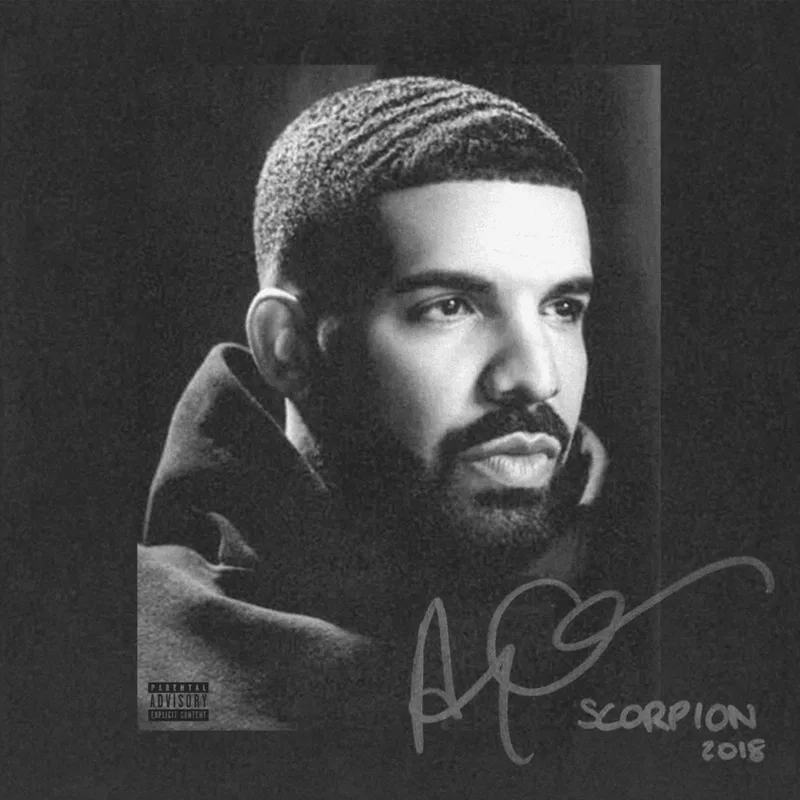
Furthest Thing is Drake reconciling the private indulgences and unresolved regrets hidden behind his fame with a hard-won acceptance that his complicated, imperfect life is exactly the life he wants.
Furthest Thing is about the duality fame has created in Drake’s life: the gap between the polished public image and the messier private reality of drinking, partying, and casual sex he keeps “on the low,” all while wrestling with regret over lost relationships and people who doubt he ever really struggled 1 3 4. The song shifts from that nighttime confession into a triumphant back half where Drake pictures his own funeral and declares the song should soundtrack it, before landing on acceptance: “this is the life for me” 2 3. At its core, it’s Drake defending his authenticity and hard-won success against people who assume it was handed to him, while admitting he’s “the furthest thing from perfect” 1 3.
The meaning
The title itself sets up the song’s central tension. Drake isn’t claiming literal distance from perfection, he’s using “furthest thing” figuratively, admitting flaws while still standing behind who he is 3. That framing runs through the first half of the track, which plays like a nighttime confession: “I still been drinkin’ on the low, mobbin’ on the low,” he raps, listing the drinking, partying, secret sex, and scheming he keeps hidden from public view 2 4. It’s less a boast than an admission, a picture of a life that doesn’t match the image people expect from him.
Underneath that surface-level indulgence is real regret. Drake uses the song, alongside others on the same project, to work through “lost friends, lost loves, jump-offs that got away, the fear of time slipping away, his damaged relationship with his family and labelmates” 4. Lines like “I hate that you don’t think I belong to ya” and his admission that he “was young and I was selfish” point to a specific relationship left frayed by his ambition, even as he insists “paper” (his career) is his real passion.
That’s the duality critics have pointed to: the song finds Drake “examining the duality imposed by fame and his personal limbo,” caught between extremes he lays out directly in the opening bars, “somewhere between psychotic and iconic... somewhere between a mistress and commitment” 3 5. He’s not fully settled in either his public success or his private life; he’s living in the space between them.
The second half of the song breaks from that tone entirely. Where the first half “feels like nighttime,” the second “breaks through like sudden sunshine,” with Drake picturing his own death and funeral: “play this shit at my funeral if they catch me slippin’” 2. It’s a strange pivot, but it reframes everything before it as a kind of legacy statement, this is the version of himself he wants remembered. From there he moves into boasting, warning competitors there won’t be anything left once he’s done rapping, name-checking his bodyguard Spoons along the way 3 5.
Running underneath all of it is a frustration Drake has voiced elsewhere: that because he didn’t come up from poverty like some of his peers, people assume he never struggled and that his success was bought rather than earned 1. He’s said directly that he didn’t buy his way into his position, crediting his family and closest friends for the work it took to get there, and that everyone has their own version of “the bottom,” regardless of where they started 1. That defensiveness gives the song’s closing turn its weight: after moving through the drinking, the regret, and the duality of fame, Drake arrives at acceptance rather than doubt, deciding “this is the life for me” 3 5.
Sources
Songs by Drake

Last updated 2026-08-05